Benign gynaecological conditions
Benign gynaecology addresses symptoms such as abnormal bleeding, fibroids and prolapse. Assessment distinguishes conditions suitable for observation, medicines or surgery.
Treatments in this specialty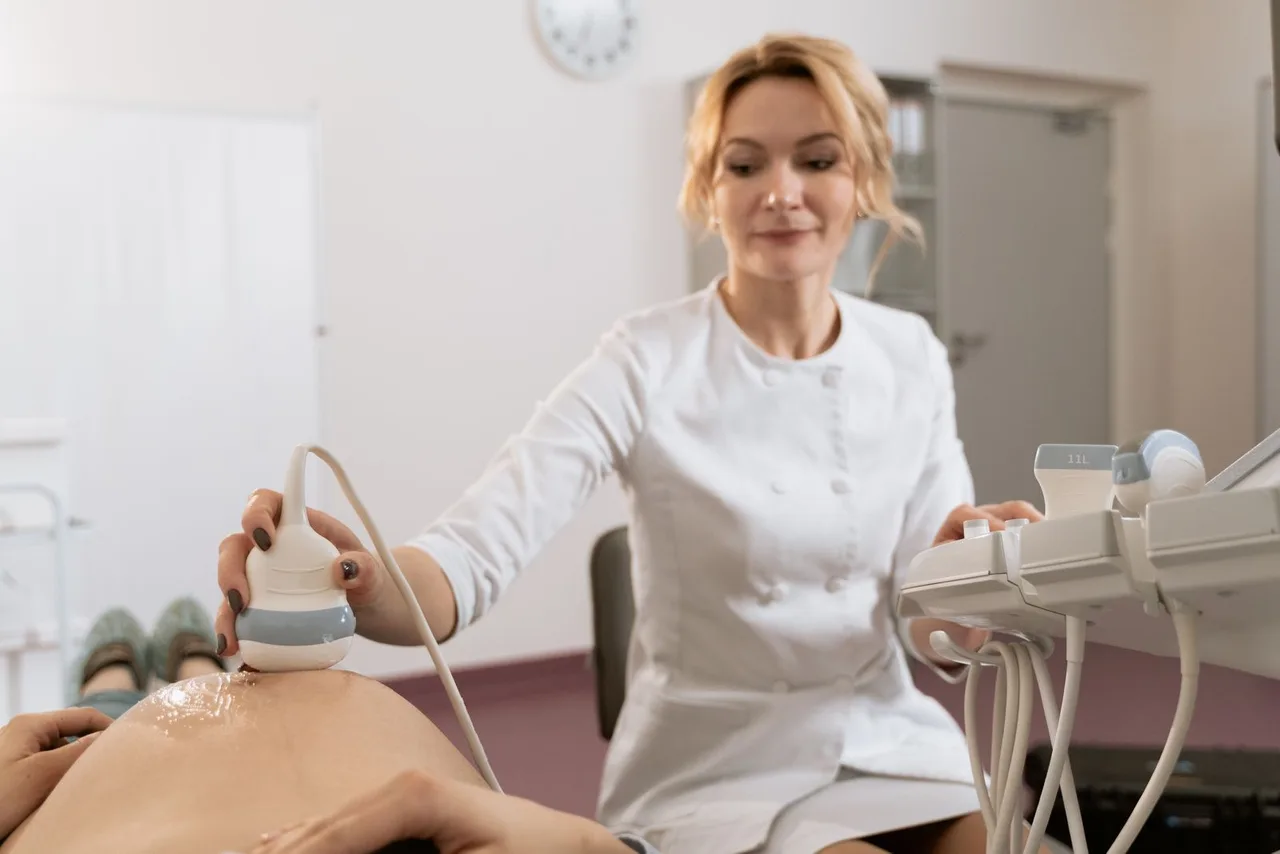
Procedure guides
Times are planning guides, not national averages or guaranteed schedules. They reflect published provider examples and patient guidance. The treating team confirms the individual plan, time needed near the clinic and fitness to travel. Waiting lists are not included.
Diagnostic hysteroscopy
A thin camera passes through the cervix to examine the uterine cavity, for example when investigating abnormal bleeding. A biopsy or polyp removal may be proposed, with consent and appropriate pain relief.
- Time
- Usually 10–15 minutes; appointment longer
- Appointments
- Assessment + procedure + results discussion
Can’t find your treatment?
Tell us the specialty or service you need. We can clarify the next coordination step.
Clinical terms
Use these clinical terms when discussing a referral or looking for a provider. Focused care areas may sit within a broader medical specialty.
- Benign gynaecological conditions
- Benigne GynäkologieGermanBenigní gynekologieCzech
Treatments & services
Explore specific procedures, investigations and care services. The clinical team confirms which options fit the individual case.
Hysteroscopy
Endoscopic examination of the uterine cavity.
Hysteroscopic polypectomy
Removal of an endometrial polyp.
Myomectomy
Removal of uterine fibroids while preserving the uterus.
Ovarian cystectomy
Removal of a selected ovarian cyst.
Pelvic organ prolapse repair
Restoring support to prolapsed organs.
Stress urinary incontinence care
Pelvic-floor therapy or selected surgery.
Can’t find your treatment?
Tell us the specialty or service you need. We can clarify the next coordination step.
Planning your care

Ask the treating service for a written plan. Appointment numbers and time away depend on the procedure, results and individual needs.
- Which specialist is appropriate, and what age, consent or eligibility requirements apply?
- Are appointments linked to a treatment cycle or a child’s assessment schedule, and can any visits be coordinated locally?
- How are monitoring, a parent or companion’s presence, follow-up and unexpected changes handled?
Sources & availability
These references provide clinical background. The guide is not a confirmed service menu for every centre or both countries, and cited organisations are not necessarily RAUQ partners. Confirm eligibility, availability and international patient access with the centre.
Guide content and sources checked 29 October 2026.