Imaging & diagnostics
Radiology and diagnostic services answer a specific clinical question. This guide brings imaging and diagnostic-centre services together, including MRI, CT, ultrasound and selected functional investigations.
Treatments in this specialty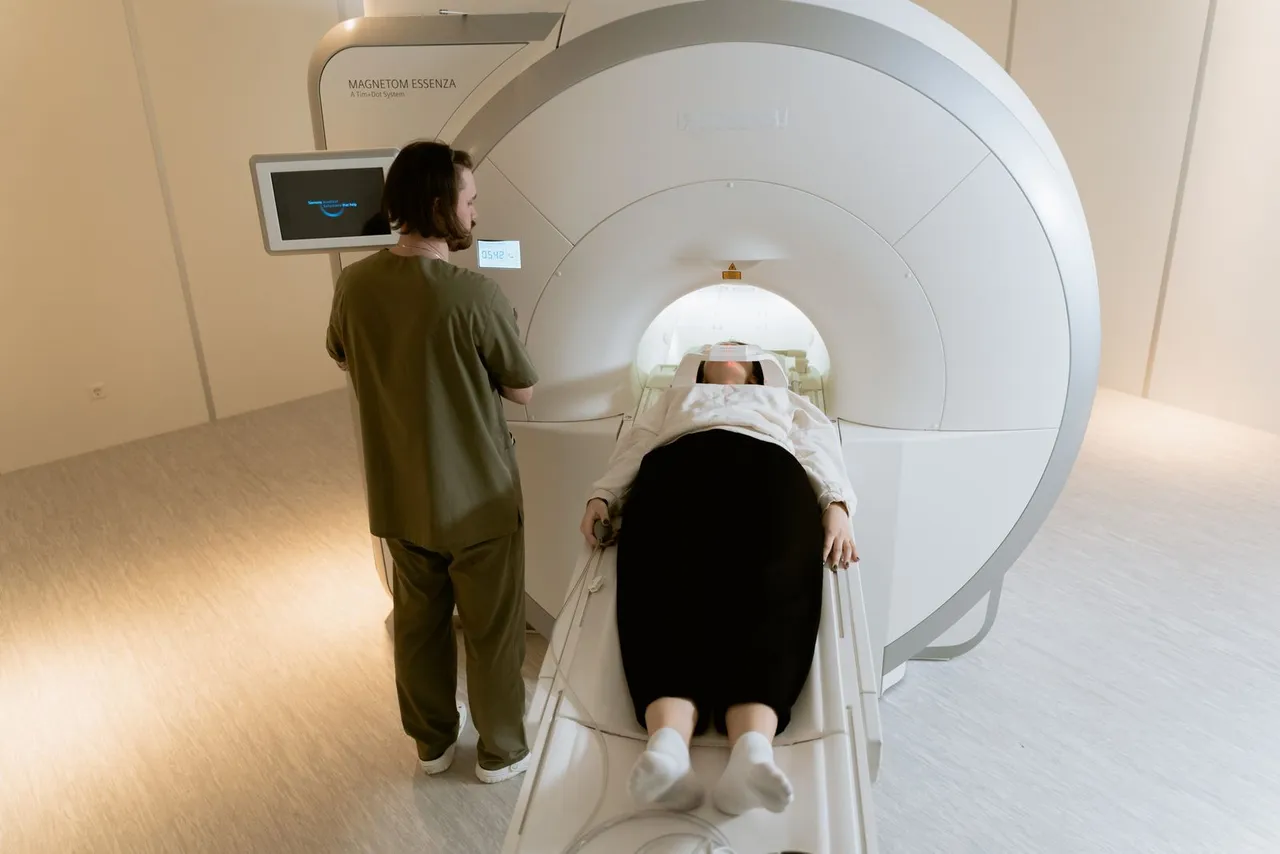
Procedure guides
Times are planning guides, not national averages or guaranteed schedules. They reflect published provider examples and patient guidance. The treating team confirms the individual plan, time needed near the clinic and fitness to travel. Waiting lists are not included.
MRI diagnostic imaging
Uses a strong magnetic field and radio waves to produce detailed internal images. The body region and clinical question determine the protocol and whether contrast is needed. MRI is a diagnostic test, not a treatment.
- Time
- About 15–90 minutes of scanning
- Appointments
- 1 scan appointment + report review
Computed tomography (CT)
X-ray cross-sectional imaging.
- Time
- NHS example: 10–20 minutes for the scan.
- Appointments
- 1 test attendance + results review
Diagnostic ultrasonography
Imaging with sound waves.
- Time
- NHS example: around 10–45 minutes; some examinations take longer.
- Appointments
- 1 test attendance + results review
Conventional radiography
X-ray assessment of bones or chest.
- Time
- NHS example: the images themselves take a few minutes.
- Appointments
- 1 test attendance + results review
Dual-energy X-ray absorptiometry (DXA)
Bone mineral density measurement.
- Time
- NHS example: 10–20 minutes for the scan.
- Appointments
- 1 test attendance + results review
Spirometry
Measuring airflow during breathing.
- Time
- NHS example: the appointment should take no more than an hour.
- Appointments
- 1 test attendance + results review
Can’t find your treatment?
Tell us the specialty or service you need. We can clarify the next coordination step.
Clinical terms
Use these clinical terms when discussing a referral or looking for a provider. Focused care areas may sit within a broader medical specialty.
- Radiology
- RadiologieGermanRadiologie / radiodiagnostikaCzech
- Diagnostic centers
- DiagnostikzentrumGermanDiagnostické centrumCzech
Treatments & services
Explore specific procedures, investigations and care services. The clinical team confirms which options fit the individual case.
Magnetic resonance imaging (MRI)
Detailed cross-sectional imaging.
Computed tomography (CT)
X-ray cross-sectional imaging.
Conventional radiography
X-ray assessment of bones or chest.
Diagnostic ultrasonography
Imaging with sound waves.
Vascular duplex ultrasound
Assessment of blood flow and vessel structure.
Mammography
Breast X-ray imaging.
Breast ultrasound
Targeted assessment of breast tissue.
Breast MRI
Additional imaging for selected indications.
Dual-energy X-ray absorptiometry (DXA)
Bone mineral density measurement.
CT angiography
Contrast imaging of blood vessels.
MR angiography
Magnetic resonance imaging of vessels.
Cardiac MRI
Detailed imaging of heart muscle.
Coronary CT angiography
Non-invasive imaging of coronary arteries.
MR enterography
Detailed small-bowel imaging.
Magnetic resonance cholangiopancreatography (MRCP)
Bile and pancreatic ducts.
Multiparametric prostate MRI
Targeted prostate assessment.
Image-guided biopsy
Needle tissue sampling under imaging.
Image-guided drainage
Catheter drainage of a fluid collection.
Fluoroscopic examination
Moving X-ray assessment.
Image-guided thermal ablation
Local destruction of selected tumours.
Electrocardiography (ECG)
Recording heart electrical activity.
Holter ECG monitoring
Prolonged heart-rhythm recording.
Transthoracic echocardiography
Ultrasound of heart structure and function.
Ambulatory blood-pressure monitoring
Day and night measurements.
Spirometry
Measuring airflow during breathing.
Pure-tone audiometry
Measurement of hearing thresholds.
Optical coherence tomography (OCT)
Cross-sectional retinal imaging.
Gastroscopy
Endoscopic examination of the upper digestive tract.
Colonoscopy
Endoscopic examination of the large bowel.
Full blood count (CBC)
Measuring blood-cell populations.
Histopathology
Microscopic examination of tissue samples.
Can’t find your treatment?
Tell us the specialty or service you need. We can clarify the next coordination step.
Planning your care

Ask the treating service for a written plan. Appointment numbers and time away depend on the procedure, results and individual needs.
- Which clinical question should the consultation or test answer, and which existing reports can be reviewed first?
- Are preparation, contrast, sedation or a separate results appointment required? Ask the service for individual instructions.
- When will results be available, who will explain them and can follow-up take place remotely?
Sources & availability
These references provide clinical background. The guide is not a confirmed service menu for every centre or both countries, and cited organisations are not necessarily RAUQ partners. Confirm eligibility, availability and international patient access with the centre.
Guide content and sources checked 29 October 2026.