Laboratory & pathology
Blood and other laboratory investigations, tissue histology and selected molecular tests. Test type determines specimen and reporting time.
Treatments in this specialty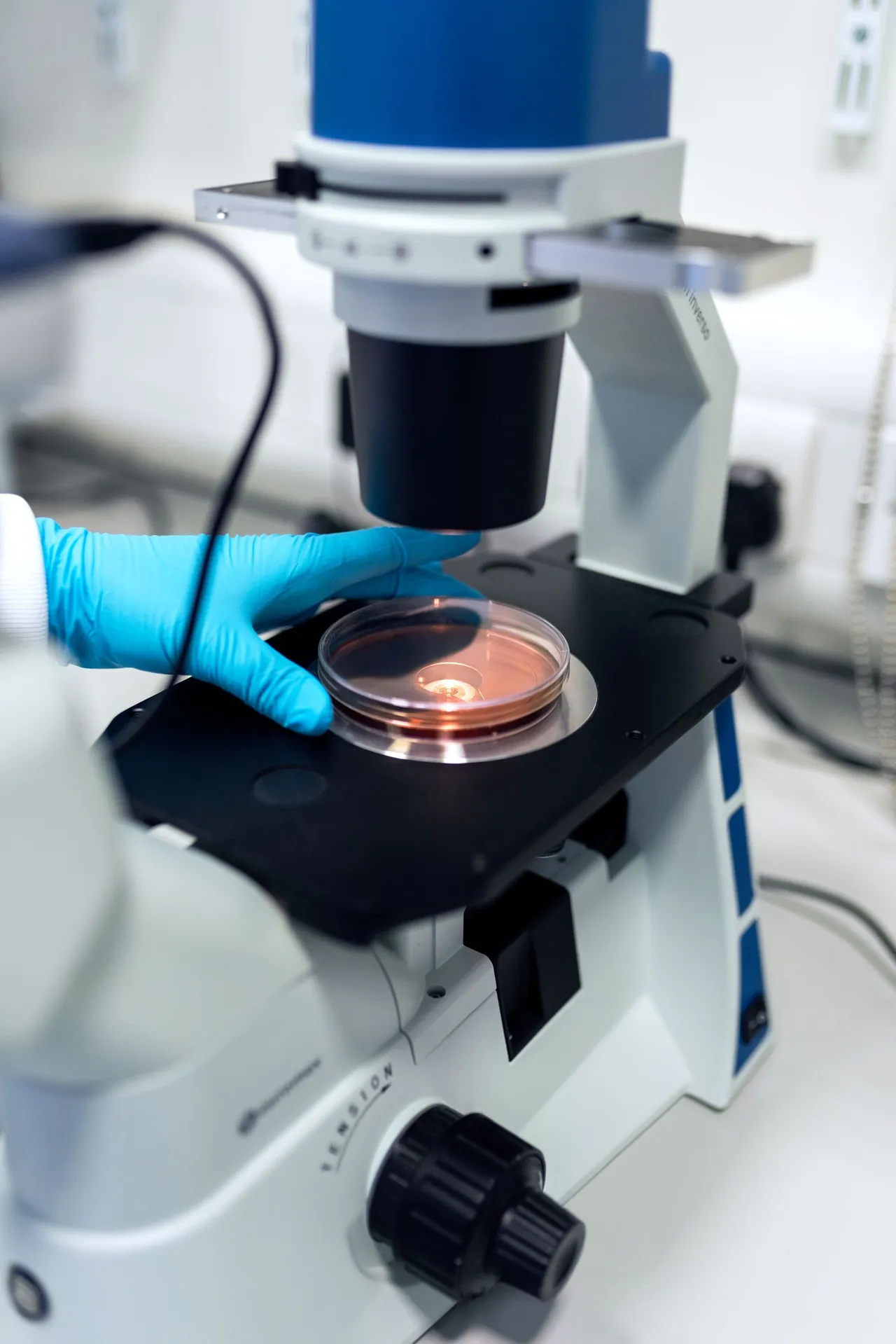
Procedure guides
Times are planning guides, not national averages or guaranteed schedules. They reflect published provider examples and patient guidance. The treating team confirms the individual plan, time needed near the clinic and fitness to travel. Waiting lists are not included.
Biopsy histopathology
A pathologist examines tissue collected during a biopsy or operation. Microscopy and selected additional tests help classify disease; histopathology differs from routine blood testing and from cytology of individual cells.
- Time
- Laboratory turnaround depends on specimen & tests
- Appointments
- Sampling + results discussion; lab attendance usually unnecessary
Full blood count (CBC)
Measuring blood-cell populations.
- Time
- NHS example: a blood-sampling appointment takes about 10 minutes.
- Appointments
- 1 test attendance + results review
Can’t find your treatment?
Tell us the specialty or service you need. We can clarify the next coordination step.
Clinical terms
Use these clinical terms when discussing a referral or looking for a provider. Focused care areas may sit within a broader medical specialty.
- Laboratory & pathology
- Laboratoriumsmedizin / PathologieGermanLaboratorní medicína / patologieCzech
Treatments & services
Explore specific procedures, investigations and care services. The clinical team confirms which options fit the individual case.
Full blood count (CBC)
Measuring blood-cell populations.
Iron studies
Investigation of iron deficiency or overload.
Glycated haemoglobin (HbA1c)
Longer-term glucose assessment.
Lipid profile
Measuring cholesterol and triglycerides.
Renal function panel
Kidney filtration and electrolyte assessment.
Liver blood tests
Markers of liver injury and function.
Thyroid function tests
TSH and indicated thyroid hormones.
Coagulation testing
Evaluating blood-clotting function.
Urinalysis
Chemical and microscopic urine assessment.
Urine culture
Identifying urinary bacteria and sensitivities.
Blood culture
Investigating bloodstream infection.
Stool microbiology
Investigation of infectious diarrhoea.
Histopathology
Microscopic examination of tissue samples.
Diagnostic cytology
Examination of sampled cells.
Immunohistochemistry
Tissue markers supporting diagnosis.
Molecular tumour profiling
Selected biomarkers for treatment decisions.
Flow cytometry
Immunophenotyping of blood or tissue cells.
Bone marrow aspiration and biopsy
Investigation of blood disorders.
Pathogen PCR testing
Targeted detection of infectious genetic material.
Autoantibody testing
Targeted investigation of autoimmune disease.
Can’t find your treatment?
Tell us the specialty or service you need. We can clarify the next coordination step.
Planning your care

Ask the treating service for a written plan. Appointment numbers and time away depend on the procedure, results and individual needs.
- Which clinical question should the consultation or test answer, and which existing reports can be reviewed first?
- Are preparation, contrast, sedation or a separate results appointment required? Ask the service for individual instructions.
- When will results be available, who will explain them and can follow-up take place remotely?
Sources & availability
These references provide clinical background. The guide is not a confirmed service menu for every centre or both countries, and cited organisations are not necessarily RAUQ partners. Confirm eligibility, availability and international patient access with the centre.
Guide content and sources checked 29 October 2026.