Urology
Urinary stones, bladder and prostate conditions and male reproductive health, with endoscopic or surgical care where indicated.
Treatments in this specialty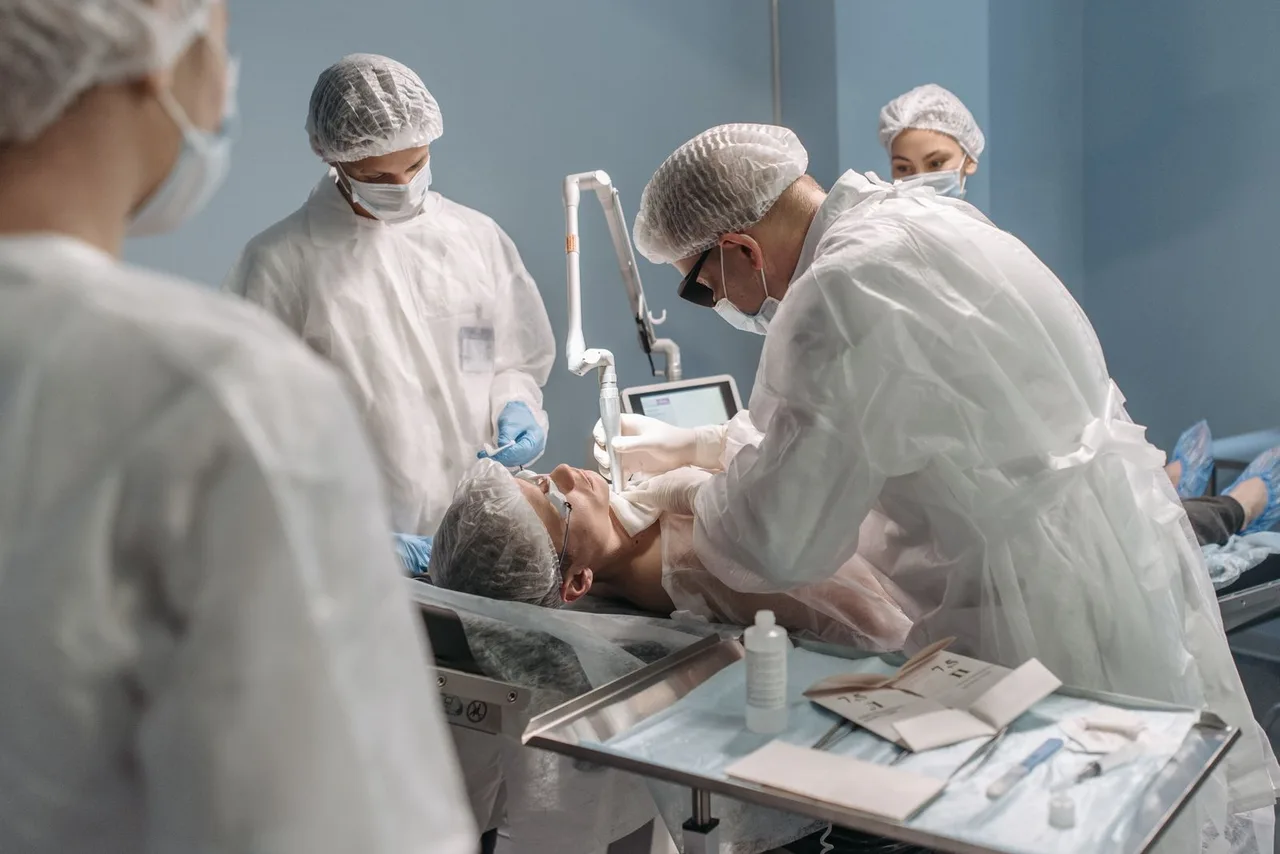
Procedure guides
Times are planning guides, not national averages or guaranteed schedules. They reflect published provider examples and patient guidance. The treating team confirms the individual plan, time needed near the clinic and fitness to travel. Waiting lists are not included.
HoLEP for an enlarged prostate
Removes obstructing benign prostate tissue through the urethra using a holmium laser, followed by tissue extraction. It treats urinary obstruction from benign enlargement and is not a radical prostatectomy for cancer.
- Time
- Provider example: 60–100 minutes
- Appointments
- Assessment + surgery + catheter & urine checks
Ureteroscopy with lithotripsy
Endoscopic urinary-stone treatment.
- Time
- Duration depends on stone size, location and whether treatment is staged.
- Appointments
- Assessment + operation + follow-up
Can’t find your treatment?
Tell us the specialty or service you need. We can clarify the next coordination step.
Clinical terms
Use these clinical terms when discussing a referral or looking for a provider. Focused care areas may sit within a broader medical specialty.
- Urology
- UrologieGermanUrologieCzech
Treatments & services
Explore specific procedures, investigations and care services. The clinical team confirms which options fit the individual case.
Cystoscopy
Endoscopic inspection of the bladder.
Urodynamic testing
Measuring bladder storage and emptying.
Prostate biopsy
Tissue sampling for suspected cancer.
Holmium laser enucleation of the prostate (HoLEP)
Removing obstructing tissue.
Transurethral resection of the prostate (TURP)
Endoscopic relief of obstruction.
Radical prostatectomy
Prostate removal for selected cancers.
Ureteroscopy with lithotripsy
Endoscopic urinary-stone treatment.
Extracorporeal shock-wave lithotripsy (ESWL)
External stone fragmentation.
Percutaneous nephrolithotomy (PCNL)
Kidney-stone removal through a small tract.
Partial nephrectomy
Kidney tumour removal with tissue preservation.
Radical nephrectomy
Removal of a kidney for selected disease.
Transurethral bladder tumour resection (TURBT)
Endoscopic tumour removal.
Radical cystectomy
Bladder removal and urinary diversion.
Pyeloplasty
Repair of narrowing at the kidney–ureter junction.
Urethroplasty
Reconstruction of a narrowed urethra.
Vasectomy
Male surgical contraception.
Varicocele repair
Treatment of dilated scrotal veins.
Hydrocelectomy
Removal of a symptomatic scrotal fluid collection.
Overactive bladder treatment
Bladder training and eligible medication.
Erectile dysfunction care
Assessment and individual treatment options.
Can’t find your treatment?
Tell us the specialty or service you need. We can clarify the next coordination step.
Planning your care

Ask the treating service for a written plan. Appointment numbers and time away depend on the procedure, results and individual needs.
- What is the proposed operation, what are the alternatives and which surgical approach is appropriate?
- How many appointments are needed for surgical assessment, anaesthetic assessment and follow-up, separately from hospital nights?
- Who will review wounds, drains or stents, and what must happen before travel home?
Sources & availability
These references provide clinical background. The guide is not a confirmed service menu for every centre or both countries, and cited organisations are not necessarily RAUQ partners. Confirm eligibility, availability and international patient access with the centre.
Guide content and sources checked 29 October 2026.