Vestibular rehabilitation
Physiotherapy & rehabilitation · Planning care in Germany and Czechia
- Clinical name
- Vestibular rehabilitation
- German
- Vestibuläre Rehabilitation
- Czech
- Vestibulární rehabilitace
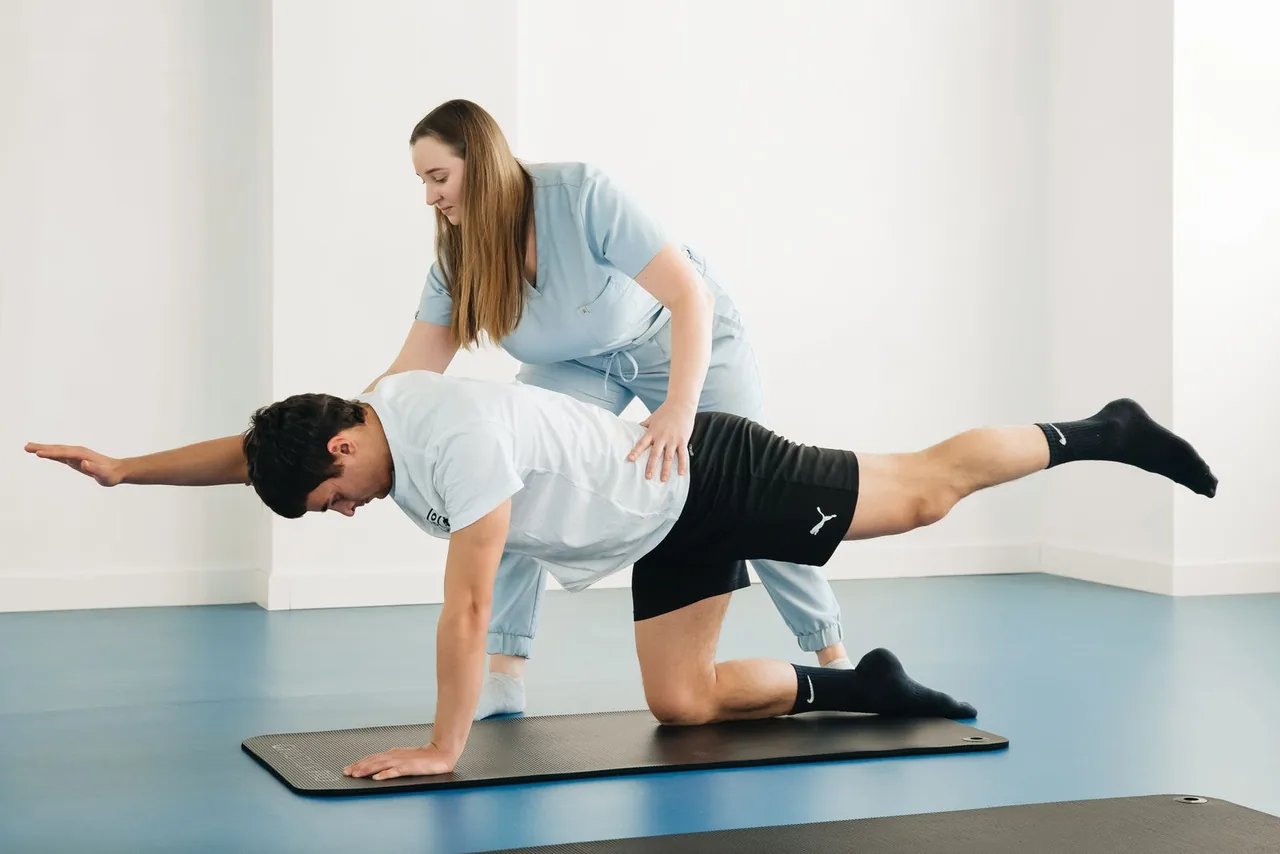
Exercises for selected balance disorders.
Before your appointment
Assessment distinguishes vestibular disorders from other causes of dizziness. Bring a symptom history and relevant hearing or neurological results.
Time, hospital stay & appointments
Times are planning guides, not national averages or guaranteed schedules. They reflect published provider examples and patient guidance. The treating team confirms the individual plan, time needed near the clinic and fitness to travel. Waiting lists are not included.
- Procedure or course duration
- A tailored exercise course with review; there is no single standard session count.
- Hospital stay
- Often outpatient. Inpatient rehabilitation is a separate care setting chosen according to medical, nursing and functional needs.
- Visits and repeat attendance
- Start with an assessment, then agree the number and length of supervised sessions and review points. Request the actual weekly timetable; home practice is not counted as a hospital visit.
- Recovery and travel planning
- Exercises may briefly provoke symptoms and must be set at a safe level. Review progress, fall precautions and the need for further investigation.
Sources & finding a provider
Editorial source check: 29 October 2026. This is educational information, not an individual clinical assessment.
The specialty directories below help you research providers in each country; they do not confirm this procedure at every centre. The receiving service confirms eligibility, availability and international-patient acceptance. Procedure-specific clinical references are listed separately.