Long-term & chronic care
Endocrine, liver, kidney, lung and immune conditions, infection care, mental health, pain, sleep, ageing and palliative support.
12 specialty guides · 10 procedure guides
Procedure planning guides
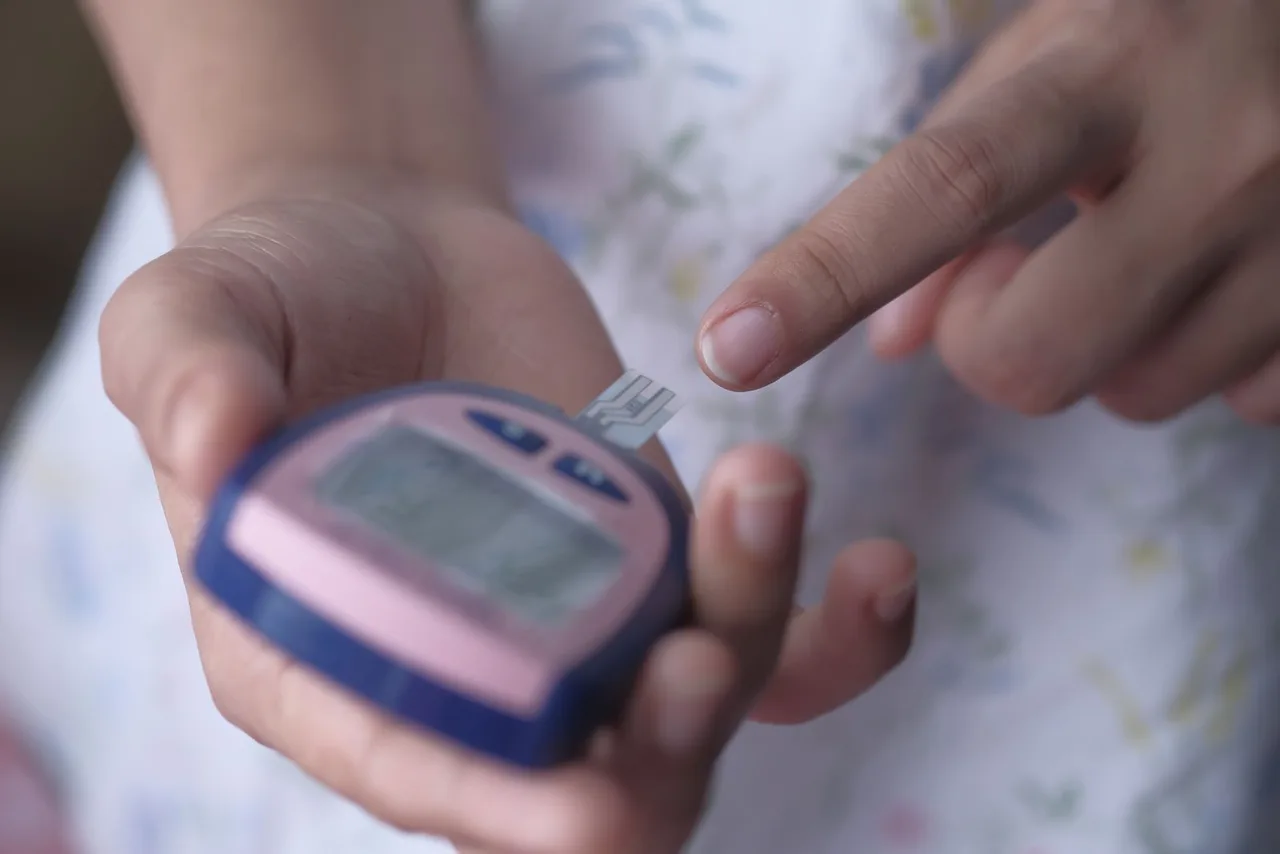
Type 2 diabetes specialist review
- Time
- Consultation plus separately scheduled tests
- Appointments
- Initial review + ongoing monitoring
Haemodialysis
- Time
- NHS centre-based example: around 4 hours per session, usually 3 times a week.
- Appointments
- Common centre schedule: 3 sessions/week
Continuous positive airway pressure (CPAP)
- Time
- Setup, mask fitting and response review are followed by ongoing home use.
- Appointments
- Assessment + fitting + adjustments
Cognitive behavioural therapy (CBT)
- Time
- NHS example: usually 5–15 sessions; session length and the course depend on the problem and service.
- Appointments
- Assessment + agreed therapy sessions
Skin-prick testing
- Time
- Testing includes application, an observation interval and clinical interpretation.
- Appointments
- 1 test attendance + results review
Joint aspiration
- Time
- Sampling is a short procedure; fluid analysis and clinical review take longer.
- Appointments
- 1 test attendance + results review
Liver elastography
- Time
- A brief non-invasive examination; the service confirms fasting and appointment length.
- Appointments
- 1 test attendance + results review
Comprehensive geriatric assessment
- Time
- A multidisciplinary assessment and care-planning process, sometimes across several visits.
- Appointments
- Initial review + tests or follow-up as needed
Medication review
- Time
- Review time depends on the number of medicines and complexity of the clinical history.
- Appointments
- Initial review + tests or follow-up as needed
Selective nerve-root block
- Time
- The appointment includes image-guided injection and a period of observation.
- Appointments
- 1 test attendance + results review
Can’t find your treatment?
Tell us the specialty or service you need. We can clarify the next coordination step.
Specialty guides
Medical specialties and focused care areas. Choose a guide for clinical terms, treatment options and preparation.
Endocrinology
Diabetes, thyroid and other hormonal disorders, with biochemical testing and continuing treatment review.
Read the guide: EndocrinologyHepatology
Hepatitis, fatty liver disease and cirrhosis, including assessment of fibrosis and complications of advanced liver disease.
Read the guide: HepatologyNephrology
Kidney disease, electrolyte disorders and renal replacement therapy, including haemodialysis or peritoneal dialysis when indicated.
Read the guide: NephrologyPulmonology
Asthma, COPD and other lung disorders; spirometry, respiratory imaging or bronchoscopy may guide treatment.
Read the guide: PulmonologyRheumatology
Inflammatory arthritis and systemic autoimmune conditions, with disease-modifying treatment and regular monitoring when needed.
Read the guide: RheumatologyInfectious diseases
Complex bacterial, viral and tropical infections, with pathogen-directed testing and antimicrobial treatment where appropriate.
Read the guide: Infectious diseasesImmunology & allergy
Allergic and immune disorders, with history-led skin or blood testing. A positive allergy test alone does not prove clinical allergy.
Read the guide: Immunology & allergyMental health care
Psychiatry and psychology offer complementary forms of mental health care. Psychiatric medical assessment and medication management differ from psychological assessment and psychotherapy; the plan may involve either or both.
Read the guide: Mental health carePain medicine
Chronic pain assessment combining medical, physical and psychological approaches; selected image-guided interventions may form part of care.
Read the guide: Pain medicineSleep medicine
Sleep apnoea and other sleep disorders, with sleep studies and treatments such as positive airway pressure where indicated.
Read the guide: Sleep medicineGeriatric medicine
Comprehensive assessment of frailty, mobility, cognition, medication and support needs in older adults.
Read the guide: Geriatric medicinePalliative medicine
Relief of symptoms and support for quality of life in serious illness, alongside disease-directed treatment when appropriate.
Read the guide: Palliative medicineCan’t find your treatment?
Tell us the specialty or service you need. We can clarify the next coordination step.

Before you choose
- What is the purpose of specialist review: diagnosis, monitoring, symptom control or a change in the existing plan?
- Which services require repeated attendance and how will care remain continuous during the stay and after travel?
- Confirm responsibility for prescriptions, supplies, test results and communication with the clinician at home.