Rehabilitation & recovery
Physiotherapy, rehabilitation programmes and recovery after surgery.
10 specialty guides · 10 procedure guides
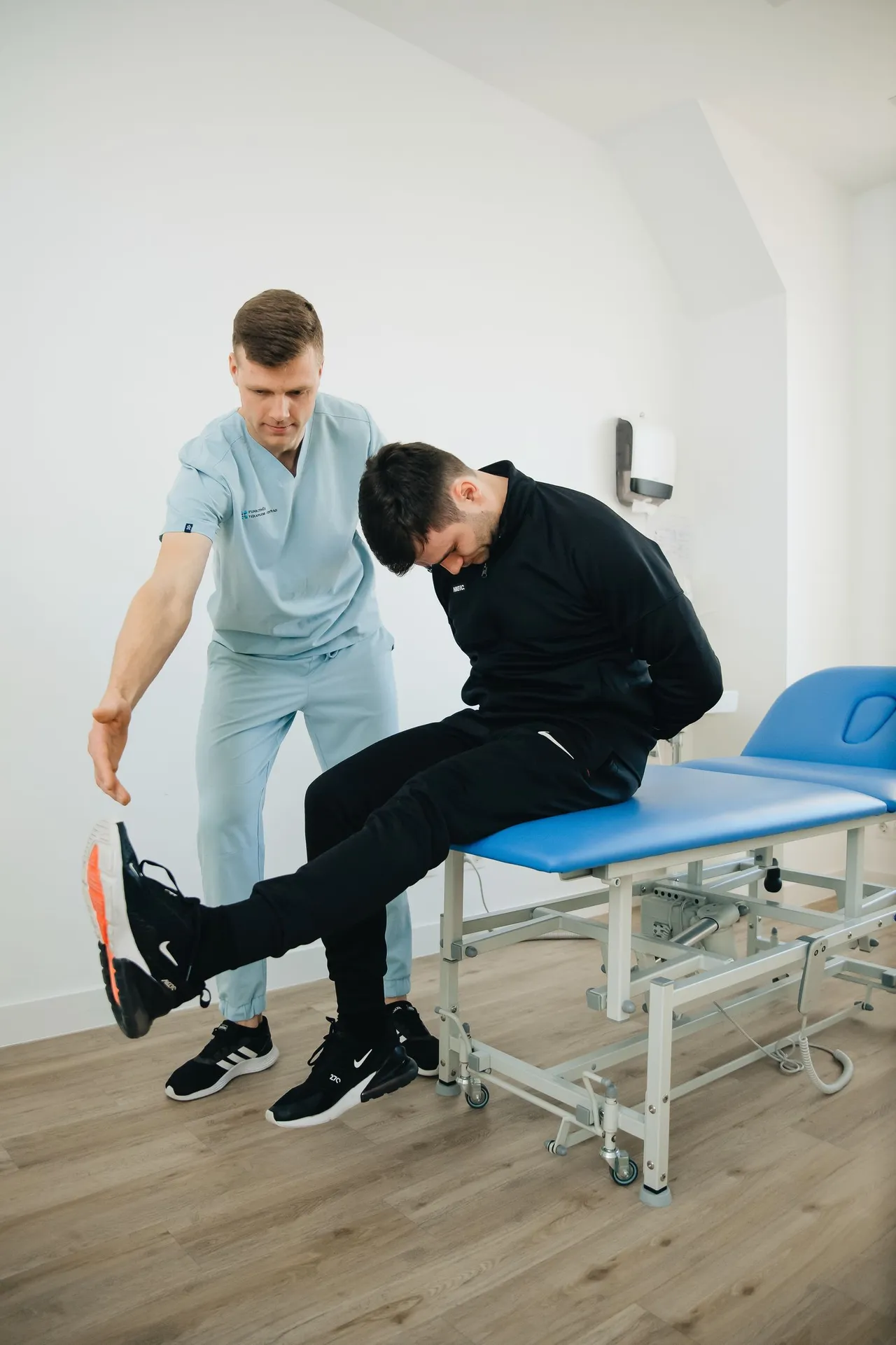
Procedure planning guides
Musculoskeletal physiotherapy
- Time
- Repeated sessions; programme length varies
- Appointments
- Assessment + prescribed therapy + reassessment
Gait retraining
- Time
- Session length and course duration follow assessed walking goals.
- Appointments
- 1 assessment + a prescribed course
Balance rehabilitation
- Time
- The programme depends on the cause of imbalance and fall risk.
- Appointments
- 1 assessment + a prescribed course
Hand therapy
- Time
- Therapy follows tissue-healing stages and practical hand-use goals.
- Appointments
- 1 assessment + a prescribed course
Occupational therapy
- Time
- Assessment and follow-up depend on the tasks and environment being addressed.
- Appointments
- 1 assessment + a prescribed course
Speech and language therapy
- Time
- Frequency and duration depend on the communication problem and assessed goals.
- Appointments
- 1 assessment + a prescribed course
Dysphagia rehabilitation
- Time
- Assessment may require clinical examination and a separate instrumental test.
- Appointments
- 1 assessment + a prescribed course
Vestibular rehabilitation
- Time
- A tailored exercise course with review; there is no single standard session count.
- Appointments
- 1 assessment + a prescribed course
Lymphoedema therapy
- Time
- NHS guidance describes an intensive phase followed by ongoing maintenance.
- Appointments
- 1 assessment + a prescribed course
Pelvic-floor physiotherapy
- Time
- A supervised exercise programme is reviewed over time; duration depends on the indication.
- Appointments
- 1 assessment + a prescribed course
Can’t find your treatment?
Tell us the specialty or service you need. We can clarify the next coordination step.
Specialty guides
Medical specialties and focused care areas. Choose a guide for clinical terms, treatment options and preparation.
Rehabilitation & recovery
Physiotherapy, rehabilitation programmes and postoperative recovery share a focus on function and daily life. The programme may combine different therapies, with the setting and intensity matched to assessed needs.
Read the guide: Rehabilitation & recoveryNeurological rehabilitation
Neurological rehabilitation coordinates movement, communication and daily-living goals after nervous-system illness. The programme depends on medical stability, function and the support available at home.
Read the guide: Neurological rehabilitationCardiac rehabilitation
Cardiac rehabilitation combines supervised activity, education and risk-factor support after appropriate cardiac assessment. Exercise intensity and monitoring are individually prescribed.
Read the guide: Cardiac rehabilitationPulmonary rehabilitation
Pulmonary rehabilitation supports exercise tolerance and self-management in selected respiratory conditions. Breathlessness, oxygen needs and physical capacity shape the programme.
Read the guide: Pulmonary rehabilitationOrthopaedic & postoperative rehabilitation
Rehabilitation after joint or ligament surgery follows the operation-specific restrictions. Therapy progresses from safe movement and swelling control towards strength and daily activity.
Read the guide: Orthopaedic & postoperative rehabilitationHand & upper-limb therapy
Hand therapy helps restore movement and practical use after injury, surgery or disease. Splinting, exercises and scar management depend on tissue healing and the surgeon’s restrictions.
Read the guide: Hand & upper-limb therapyVestibular & balance rehabilitation
Balance rehabilitation begins with the cause of dizziness or unsteadiness. Gaze, balance and walking exercises are selected after assessment; some positional vertigo needs a specific manoeuvre.
Read the guide: Vestibular & balance rehabilitationLymphoedema rehabilitation
Lymphoedema care combines assessment, skin care, movement and individually selected compression. Treatment and self-management continue beyond a short visit or course.
Read the guide: Lymphoedema rehabilitationPelvic-floor rehabilitation
Pelvic-floor therapy assesses muscle function and symptoms such as leakage or pelvic discomfort. A tailored programme may include supervised exercise, education and home practice.
Read the guide: Pelvic-floor rehabilitationOccupational therapy & daily living
Occupational therapy focuses on meaningful daily tasks such as washing, dressing and returning to work. Assessment can include equipment, home adaptations and strategies for fatigue or cognition.
Read the guide: Occupational therapy & daily livingCan’t find your treatment?
Tell us the specialty or service you need. We can clarify the next coordination step.
Understanding the options
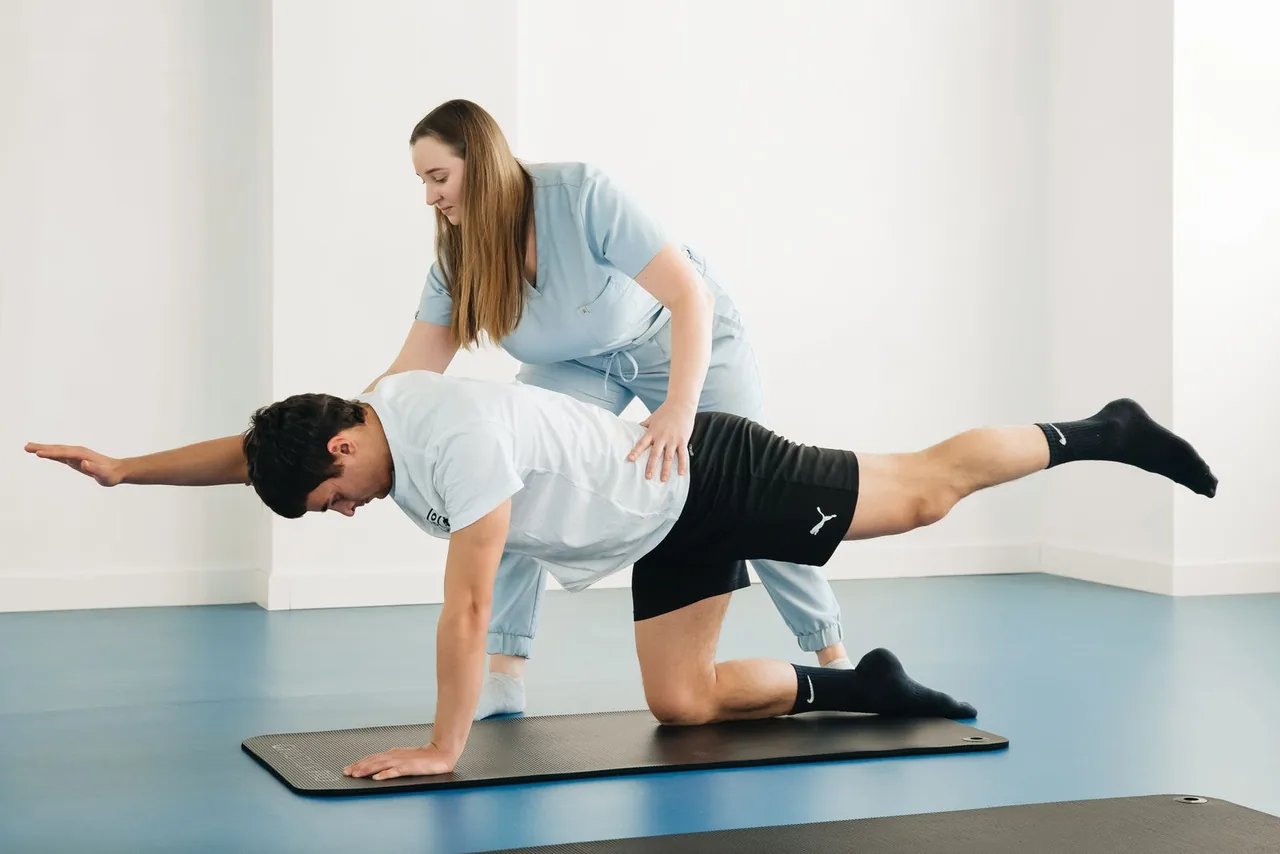
Rehabilitation centres on a person’s needs and everyday goals after illness, injury or surgery. It may involve several professional disciplines. The right setting depends on the required clinical support, not simply the destination or the equipment shown in a photograph.
- An assessment of rehabilitation needs and practical goals.
- Physiotherapy, occupational therapy or speech and language therapy, according to the plan.
- Inpatient rehabilitation or outpatient sessions, with different staffing and support requirements.
- Preparation for home, assistive equipment and caregiver guidance where indicated.
The rehabilitation team decides eligibility, care intensity, duration and the appropriate setting. Intensive rehabilitation requires its own clinical assessment; it cannot be inferred from a spa offer or a list of therapy devices.