Eye care & surgery
Ophthalmology covers vision assessment and medical or surgical care of the eye. Cataract, corneal, retinal and refractive procedures have different eligibility criteria, investigations and follow-up requirements.
Treatments in this specialty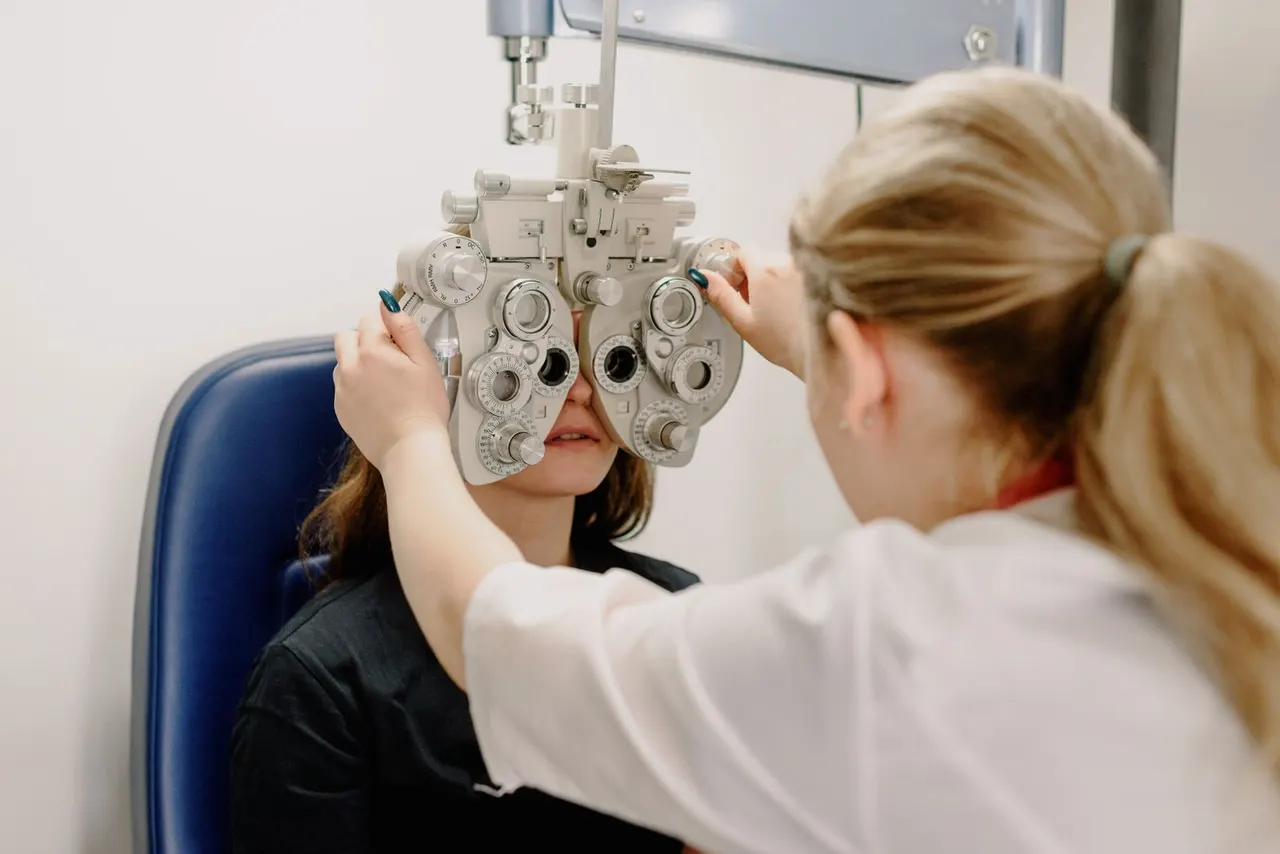
Procedure guides
Times are planning guides, not national averages or guaranteed schedules. They reflect published provider examples and patient guidance. The treating team confirms the individual plan, time needed near the clinic and fitness to travel. Waiting lists are not included.
Cataract surgery
Removes a cloudy natural lens and replaces it with an artificial intraocular lens. Phacoemulsification uses ultrasound to break up the lens. This treats cataract; it is different from corneal laser vision correction.
- Time
- Usually 20–45 minutes per eye
- Appointments
- Assessment + surgery + eye checks
Femto-LASIK vision correction
A femtosecond laser creates a thin corneal flap, then an excimer laser reshapes the underlying cornea to correct selected refractive errors. Corneal thickness, eye health and prescription stability determine suitability. PRK and SMILE are different procedures.
- Time
- About 10–15 minutes; clinic visit longer
- Appointments
- 1 treatment day + several reviews
Anti-VEGF eye injections
Injects medicine into the vitreous cavity to reduce abnormal blood-vessel growth or leakage. Used for conditions such as wet age-related macular degeneration and diabetic macular oedema. This is repeated disease control, not a one-off laser procedure.
- Time
- Repeated treatment over months or longer
- Appointments
- Often monthly at the start
Retinal surgery: vitrectomy
Removes vitreous gel so a retinal surgeon can treat problems such as retinal detachment, vitreous haemorrhage or an epiretinal membrane. A gas bubble or silicone oil may be used inside the eye, depending on the repair.
- Time
- Usually about 1–2 hours of surgery
- Appointments
- 1 operation + early & later eye checks
DMEK corneal transplantation
Replaces the damaged innermost corneal layer with donor tissue, often for Fuchs endothelial dystrophy. An air or gas bubble supports graft attachment. It differs from a full-thickness corneal transplant.
- Time
- Provider example: about 60 minutes
- Appointments
- Surgery + early checks + long-term follow-up
Can’t find your treatment?
Tell us the specialty or service you need. We can clarify the next coordination step.
Clinical terms
Use these clinical terms when discussing a referral or looking for a provider. Focused care areas may sit within a broader medical specialty.
- Ophthalmology
- Augenheilkunde / OphthalmologieGermanOftalmologie / oční lékařstvíCzech
- Advanced ophthalmology
- Refraktive Chirurgie / Netzhaut- und HornhautchirurgieGermanRefrakční, vitreoretinální a rohovková chirurgieCzech
Treatments & services
Explore specific procedures, investigations and care services. The clinical team confirms which options fit the individual case.
Cataract surgery
Removal of a cloudy lens and lens implantation.
LASIK
Corneal laser correction of refractive error.
Photorefractive keratectomy (PRK)
Surface laser vision correction.
Intravitreal anti-VEGF therapy
Injections for selected retinal disease.
Pars plana vitrectomy
Removal of vitreous for retinal surgery.
Retinal laser photocoagulation
Treating selected retinal vascular disease.
Retinal detachment repair
Reattaching the detached retina.
Trabeculectomy
Glaucoma surgery to improve fluid drainage.
Selective laser trabeculoplasty (SLT)
Laser treatment for open-angle glaucoma.
YAG laser capsulotomy
Clearing a cloudy capsule after cataract surgery.
Laser peripheral iridotomy
An iris opening for selected narrow angles.
Corneal cross-linking
Stabilising progressive keratoconus.
DMEK endothelial keratoplasty
Replacement of the inner corneal layer.
Penetrating keratoplasty
Full-thickness corneal transplantation.
Strabismus surgery
Adjusting eye-muscle alignment.
Ptosis repair
Correction of a drooping upper eyelid.
Chalazion incision and curettage
Treatment of a persistent eyelid cyst.
Dry-eye management
Tear-film assessment and targeted treatment.
Optical coherence tomography (OCT)
Cross-sectional retinal imaging.
Visual-field testing
Mapping peripheral and central vision.
Small-incision lenticule extraction
Laser refractive correction for suitable eyes.
Phakic intraocular lens implantation
Lens implantation without removing the natural lens.
Refractive lens exchange
Replacement of the natural lens for selected refractive goals.
Intracorneal ring segments
Reshaping selected irregular corneas.
DSAEK endothelial keratoplasty
Transplanting a thin posterior corneal layer.
Deep anterior lamellar keratoplasty
Replacing anterior corneal tissue.
Macular hole surgery
Vitreoretinal repair of a central retinal defect.
Epiretinal membrane peeling
Removal of a surface membrane affecting vision.
Glaucoma drainage-device implantation
Surgical fluid drainage for selected glaucoma.
Cyclophotocoagulation
Laser treatment to reduce aqueous-fluid production.
Secondary intraocular lens implantation
Replacing a missing or unsupported lens.
Ocular amniotic membrane graft
Biological covering for selected surface defects.
Can’t find your treatment?
Tell us the specialty or service you need. We can clarify the next coordination step.
Planning your care

Ask the treating service for a written plan. Appointment numbers and time away depend on the procedure, results and individual needs.
- What examination is needed before treatment, and are staged procedures or treatment of both sides planned?
- Ask for separate dates for treatment, healing reviews, adjustments and any final restoration or device fitting.
- Which restrictions and follow-up arrangements apply before travelling or returning to normal activities?
Sources & availability
These references provide clinical background. The guide is not a confirmed service menu for every centre or both countries, and cited organisations are not necessarily RAUQ partners. Confirm eligibility, availability and international patient access with the centre.
Guide content and sources checked 29 October 2026.