Bones, spine & sport
Bones and joints, spine care, sports injuries, foot care, orthotics and tissue repair.
10 specialty guides · 10 procedure guides
Procedure planning guides
Total hip replacement
- Time
- About 1–2 hours of surgery
- Appointments
- 1 operation + rehabilitation & reviews
Total knee replacement
- Time
- About 60–90 minutes of surgery
- Appointments
- 1 admission + ongoing physiotherapy
Anterior cruciate ligament reconstruction
- Time
- Usually 1–3 hours of surgery
- Appointments
- 1 operation + months of rehabilitation
Biomechanical foot assessment
- Time
- Assessment length depends on the tests
- Appointments
- Assessment; fitting and review if prescribed
Meniscal repair
- Time
- The tear pattern and any additional ligament work determine operating time.
- Appointments
- Assessment + operation + follow-up
Rotator cuff repair
- Time
- Duration depends on tear size, tendon quality and the repair technique.
- Appointments
- Assessment + operation + follow-up
Carpal tunnel release
- Time
- Usually a short operation; the service confirms total attendance and anaesthesia.
- Appointments
- Assessment + operation + follow-up
Fracture fixation
- Time
- The bone, fracture pattern and soft-tissue condition determine duration and admission.
- Appointments
- Assessment + operation + follow-up
Lumbar decompression
- Time
- NHS example: surgery around 2–4 hours and hospital stay around 2–5 days.
- Appointments
- Assessment + operation + follow-up
Prosthetic rehabilitation assessment
- Time
- Assessment, fabrication, fitting and training occur over multiple appointments.
- Appointments
- Assessment + fitting + adjustments
Can’t find your treatment?
Tell us the specialty or service you need. We can clarify the next coordination step.
Specialty guides
Medical specialties and focused care areas. Choose a guide for clinical terms, treatment options and preparation.
Orthopedics: bones & joints
Joint degeneration, injuries and musculoskeletal conditions; joint replacement and ligament reconstruction are specific surgical options.
Read the guide: Orthopedics: bones & jointsPodiatry & foot care
Foot function, skin and nail problems, footwear and orthotic assessment. Wounds or vascular problems need appropriate medical care.
Read the guide: Podiatry & foot careSports medicine
Sports injury assessment and recovery, exercise testing and an individual return-to-sport plan.
Read the guide: Sports medicineSpine centers
Assessment of disc herniation, spinal stenosis and scoliosis; rehabilitation, pain care or surgery depends on findings.
Read the guide: Spine centersProsthetics & orthotics
Assessment, fitting and training for artificial limbs, braces and other orthopedic devices, with adjustment and review.
Read the guide: Prosthetics & orthoticsRegenerative medicine
Indication-specific tissue repair, such as regulated autologous cartilage-cell implantation. Experimental cell injections are not interchangeable with established treatment.
Read the guide: Regenerative medicineHip & knee reconstruction
Hip and knee care considers pain, mobility, imaging and non-operative treatment. Joint replacement and joint-preserving surgery have different indications and rehabilitation plans.
Read the guide: Hip & knee reconstructionShoulder & elbow care
Shoulder and elbow assessment examines tendon injury, instability and joint disease. Treatment aims and movement restrictions should be agreed before surgery or rehabilitation.
Read the guide: Shoulder & elbow careHand & wrist care
Hand care addresses nerve compression, tendon problems, fractures and contractures. Sensation, grip and everyday hand use guide treatment and hand-therapy planning.
Read the guide: Hand & wrist careFoot & ankle surgery
Foot and ankle care considers alignment, tendon function, stability and footwear. Weight-bearing restrictions and access to walking aids are central to travel and recovery planning.
Read the guide: Foot & ankle surgeryCan’t find your treatment?
Tell us the specialty or service you need. We can clarify the next coordination step.
Understanding the options
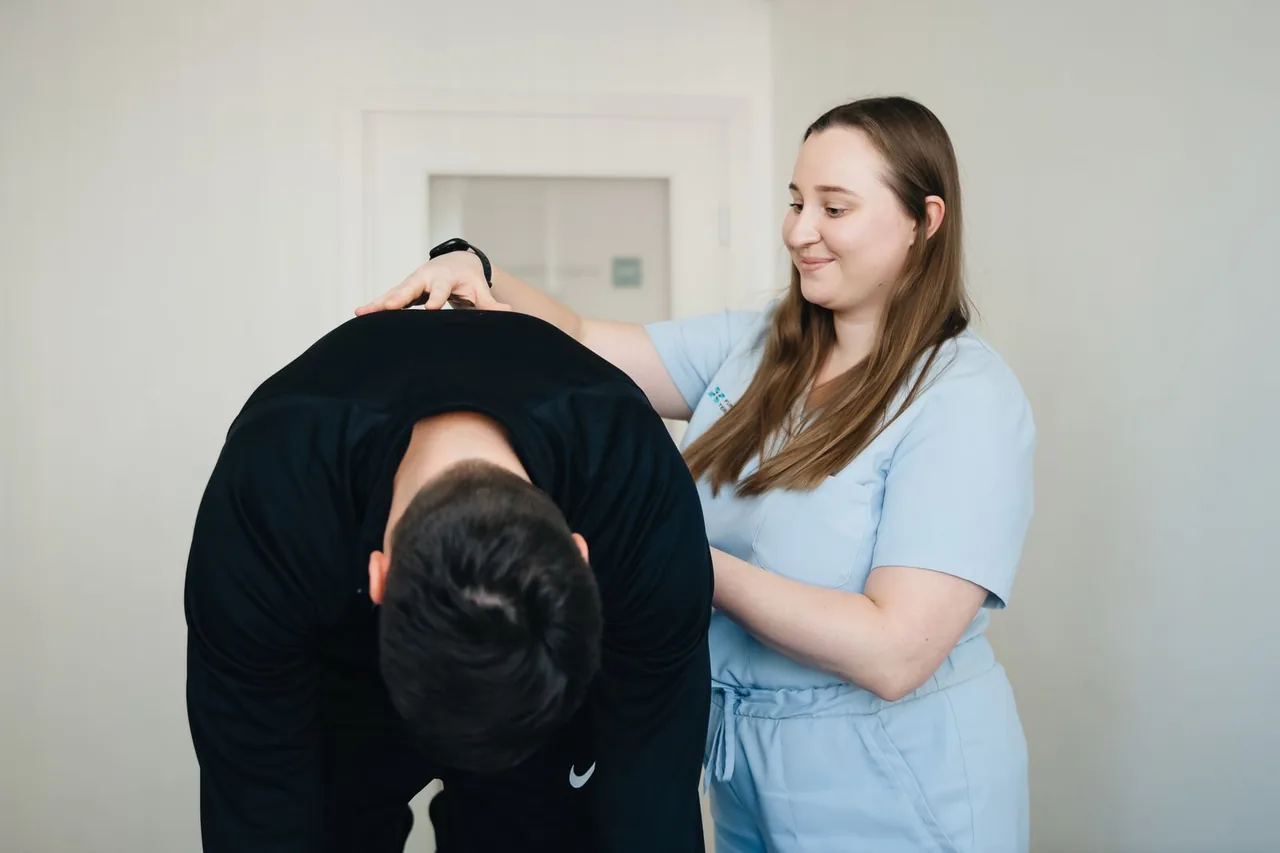
A joint or movement problem does not automatically mean surgery. An orthopaedic review can help explain the diagnosis and the available conservative or surgical approaches. Recovery arrangements deserve attention alongside any proposed procedure.
- Specialist review of the joint problem and existing images.
- Physiotherapy, guided exercise and other nonsurgical care where appropriate.
- A joint-replacement discussion, such as hip replacement, when the specialist considers it indicated.
- Postoperative rehabilitation, mobility support and follow-up planning.
The specialist determines whether further tests, nonsurgical care or an operation are appropriate. The clinical team also sets activity restrictions, rehabilitation and fitness-to-travel requirements. No procedure, appointment or rehabilitation place is guaranteed.