Heart rhythm & electrophysiology
Rhythm assessment identifies the type and significance of an arrhythmia. Monitoring, medicines, ablation and implanted devices have different goals and follow-up requirements.
Treatments in this specialty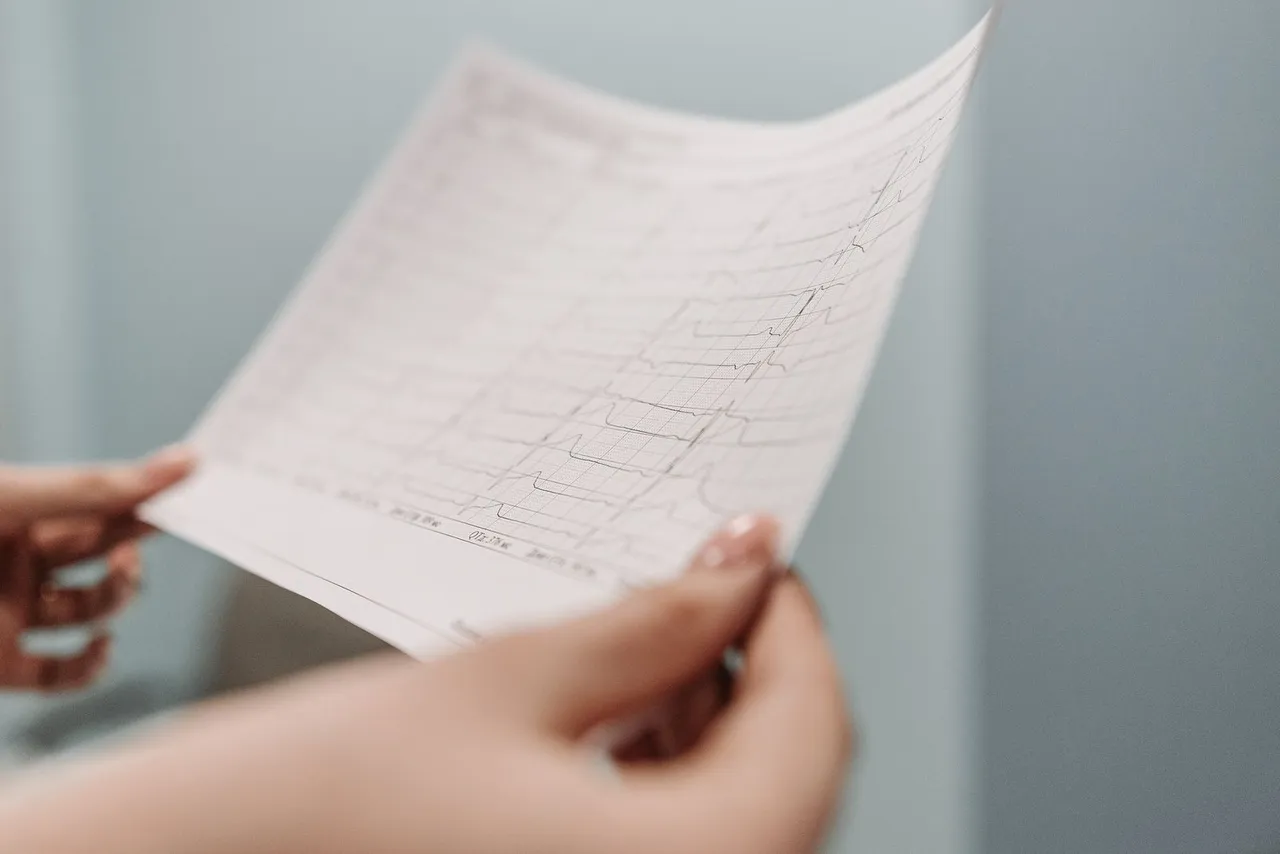
Procedure guides
Times are planning guides, not national averages or guaranteed schedules. They reflect published provider examples and patient guidance. The treating team confirms the individual plan, time needed near the clinic and fitness to travel. Waiting lists are not included.
Holter ECG monitoring
A portable recorder measures the heart’s electrical rhythm during daily activities to investigate intermittent palpitations or suspected arrhythmia. It differs from a blood-pressure monitor and from an echocardiogram.
- Time
- 24-hour recording in the cited example
- Appointments
- Fitting + device return + results review
Electrocardiography (ECG)
Recording heart electrical activity.
- Time
- NHS example: the resting recording takes a few minutes.
- Appointments
- 1 test attendance + results review
Pacemaker implantation
Support for an abnormally slow heartbeat.
- Time
- NHS example: implantation usually takes about an hour.
- Appointments
- Assessment + implantation + repeated checks
Electrical cardioversion
Restoring a suitable heart rhythm.
- Time
- The electrical treatment is brief; preparation and anaesthetic recovery take longer.
- Appointments
- Assessment + operation + follow-up
Can’t find your treatment?
Tell us the specialty or service you need. We can clarify the next coordination step.
Clinical terms
Use these clinical terms when discussing a referral or looking for a provider. Focused care areas may sit within a broader medical specialty.
- Heart rhythm & electrophysiology
- Rhythmologie und ElektrophysiologieGermanArytmologie a elektrofyziologieCzech
Treatments & services
Explore specific procedures, investigations and care services. The clinical team confirms which options fit the individual case.
Electrocardiography (ECG)
Recording heart electrical activity.
Holter ECG monitoring
Prolonged heart-rhythm recording.
Electrical cardioversion
Restoring a suitable heart rhythm.
Atrial fibrillation ablation
Catheter treatment of rhythm triggers.
Supraventricular tachycardia ablation
Treating an abnormal electrical circuit.
Pacemaker implantation
Support for an abnormally slow heartbeat.
Implantable cardioverter-defibrillator (ICD)
Protection against dangerous rhythms.
Cardiac resynchronisation therapy (CRT)
Coordinated ventricular pacing.
Can’t find your treatment?
Tell us the specialty or service you need. We can clarify the next coordination step.
Planning your care

Ask the treating service for a written plan. Appointment numbers and time away depend on the procedure, results and individual needs.
- Which heart or vascular investigations are needed before the team can recommend care?
- Ask separately about the intervention, monitoring in hospital, device checks and rehabilitation appointments.
- Request a written medication and follow-up plan, including who confirms fitness to travel.
Sources & availability
These references provide clinical background. The guide is not a confirmed service menu for every centre or both countries, and cited organisations are not necessarily RAUQ partners. Confirm eligibility, availability and international patient access with the centre.
Guide content and sources checked 29 October 2026.