Paediatrics
General paediatrics and paediatric subspecialties address children’s health from routine assessment to complex conditions. The child’s age, development and diagnosis determine which specialist team is appropriate.
Treatments in this specialty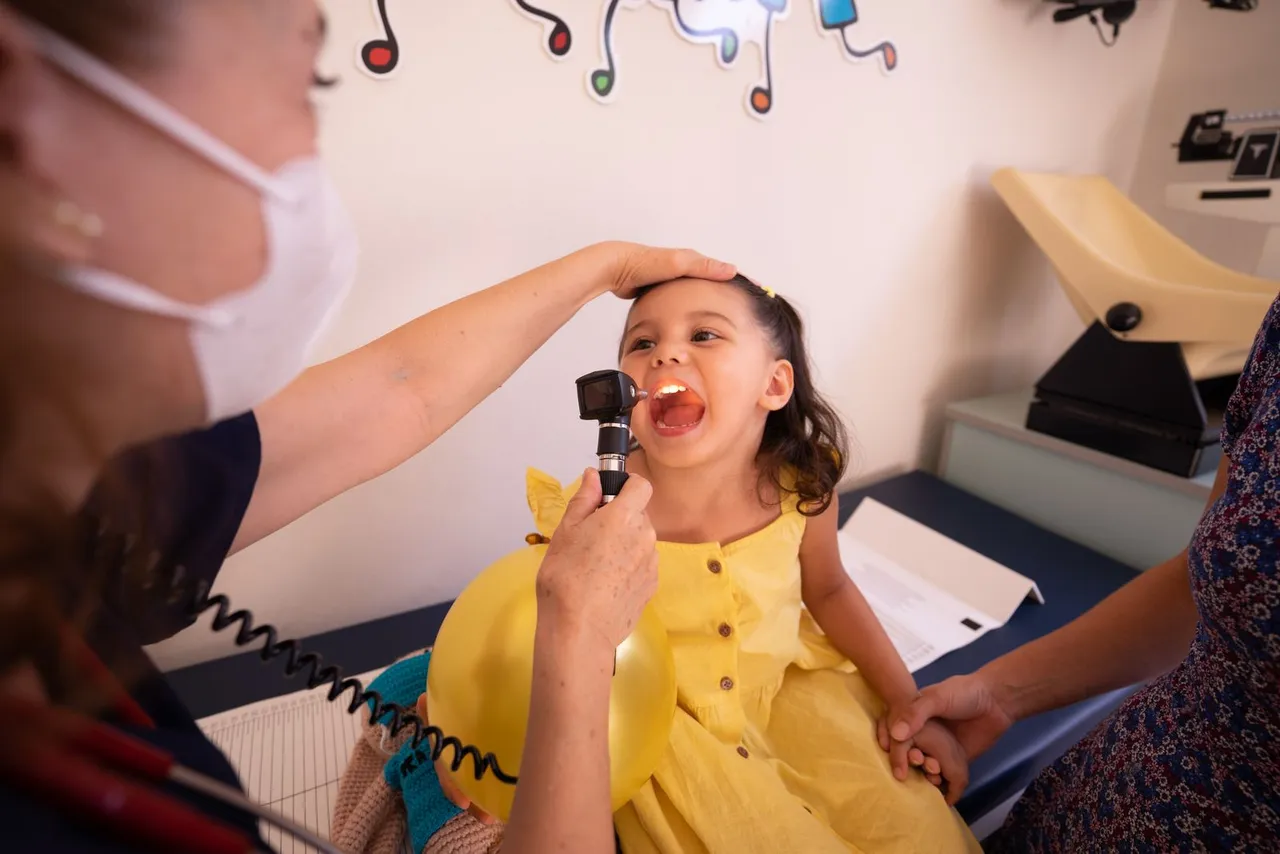
Procedure guides
Times are planning guides, not national averages or guaranteed schedules. They reflect published provider examples and patient guidance. The treating team confirms the individual plan, time needed near the clinic and fitness to travel. Waiting lists are not included.
Paediatric medical assessment
An age-appropriate history and examination for a child’s symptoms, growth or development. The paediatrician decides whether tests or a specialist referral are needed; adult investigation packages are not simply applied to children.
- Time
- Appointment length depends on the assessment
- Appointments
- 1 initial consultation; follow-up as indicated
Paediatric echocardiography
Child-specific heart ultrasound.
- Time
- The child’s age, cooperation and the question being assessed determine appointment length.
- Appointments
- 1 test attendance + results review
Paediatric electroencephalogram (EEG)
Records electrical activity from a child’s scalp to support assessment of seizures and selected neurological conditions. The recording is interpreted alongside the history and examination.
- Time
- The service confirms the recording and preparation time for the child’s protocol.
- Appointments
- 1 test attendance + results review
Can’t find your treatment?
Tell us the specialty or service you need. We can clarify the next coordination step.
Clinical terms
Use these clinical terms when discussing a referral or looking for a provider. Focused care areas may sit within a broader medical specialty.
- Pediatrics
- Kinder- und Jugendmedizin / PädiatrieGermanPediatrie / dětské lékařstvíCzech
- Pediatric subspecialties
- Pädiatrische SpezialgebieteGermanDětské specializaceCzech
Treatments & services
Explore specific procedures, investigations and care services. The clinical team confirms which options fit the individual case.
Paediatric consultation
Age-appropriate examination and assessment.
Growth assessment
Evaluating height, weight and growth patterns.
Developmental assessment
Evaluating motor, language and social development.
Childhood immunisation review
Planning age-appropriate vaccines.
Paediatric asthma care
Inhaler treatment and symptom monitoring.
Paediatric allergy assessment
Investigating suspected allergic disease.
Childhood atopic eczema treatment
Skin care and anti-inflammatory therapy.
Childhood constipation management
Bowel routines and suitable medication.
Paediatric reflux assessment
Evaluating troublesome regurgitation.
Paediatric urinary tract infection care
Diagnosis and follow-up.
Nocturnal enuresis treatment
Support for persistent bedwetting.
Paediatric nutritional assessment
Intake, growth and feeding review.
Paediatric anaemia investigation
Identifying nutritional or other causes.
Recurrent fever assessment
Targeted investigation of repeated episodes.
Paediatric respiratory infection assessment
Examination and targeted care.
Paediatric hearing assessment
Age-appropriate hearing tests.
Paediatric vision screening
Detecting reduced vision or misalignment.
Newborn examination
Early physical and feeding assessment.
Adolescent health consultation
Development and age-specific concerns.
Recurrent abdominal pain assessment
Evaluation of paediatric digestive symptoms.
Paediatric cardiology assessment
Congenital and acquired heart conditions.
Paediatric echocardiography
Child-specific heart ultrasound.
Paediatric neurology assessment
Neurological development and disease.
Paediatric epilepsy treatment
Seizure and medication management.
Paediatric oncology care
Tumour-specific multidisciplinary treatment.
Paediatric haematology care
Childhood blood and bleeding disorders.
Paediatric type 1 diabetes care
Insulin, sensors and family education.
Paediatric endocrine assessment
Growth, puberty and hormonal disorders.
Paediatric gastroenterology care
Digestive, liver and nutritional disorders.
Paediatric nephrology care
Kidney and urinary-system disease.
Paediatric rheumatology care
Juvenile arthritis and systemic inflammation.
Paediatric immunodeficiency care
Childhood immune-defect investigation.
Paediatric orthopaedic assessment
Growth-related bone and joint conditions.
Paediatric urology care
Congenital and acquired urinary tract conditions.
Paediatric ophthalmology care
Amblyopia, alignment and childhood eye disease.
Paediatric ENT care
Childhood hearing, airway and throat disorders.
Paediatric surgical consultation
Age-specific surgical assessment.
Paediatric rehabilitation
Development, mobility and daily-function therapy.
Can’t find your treatment?
Tell us the specialty or service you need. We can clarify the next coordination step.
Planning your care

Ask the treating service for a written plan. Appointment numbers and time away depend on the procedure, results and individual needs.
- Which specialist is appropriate, and what age, consent or eligibility requirements apply?
- Are appointments linked to a treatment cycle or a child’s assessment schedule, and can any visits be coordinated locally?
- How are monitoring, a parent or companion’s presence, follow-up and unexpected changes handled?
Sources & availability
These references provide clinical background. The guide is not a confirmed service menu for every centre or both countries, and cited organisations are not necessarily RAUQ partners. Confirm eligibility, availability and international patient access with the centre.
Guide content and sources checked 29 October 2026.