Neurology
Epilepsy, Parkinson's disease, multiple sclerosis and other nervous-system conditions; assessment may include EEG or neuroimaging.
Treatments in this specialty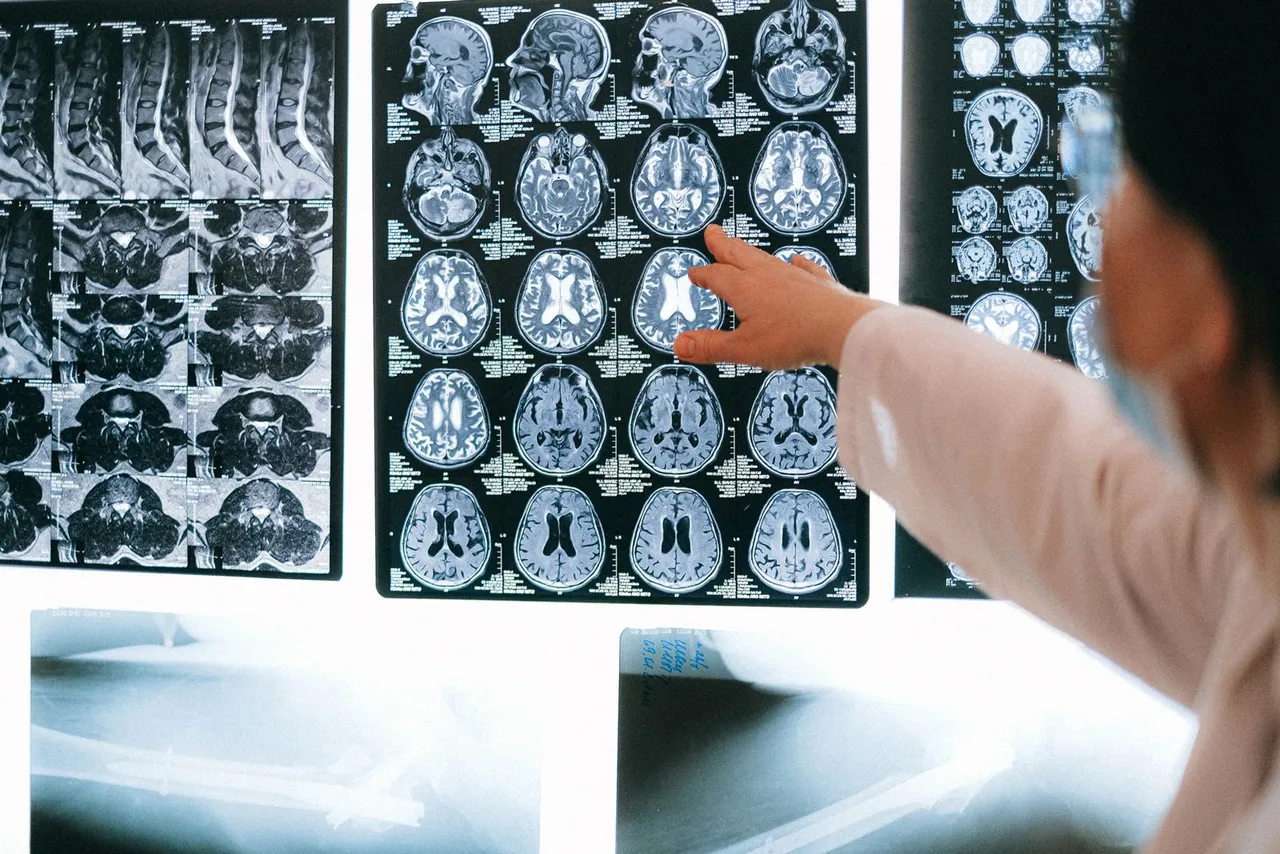
Procedure guides
Times are planning guides, not national averages or guaranteed schedules. They reflect published provider examples and patient guidance. The treating team confirms the individual plan, time needed near the clinic and fitness to travel. Waiting lists are not included.
Electroencephalography (EEG)
Recording brain electrical activity.
- Time
- NHS example: a routine EEG appointment takes about an hour.
- Appointments
- 1 test attendance + results review
Electromyography (EMG)
Assessment of muscle electrical activity.
- Time
- South Tees NHS describes combined EMG testing appointments of 30–60 minutes.
- Appointments
- 1 test attendance + results review
Nerve conduction studies
Measurement of peripheral nerve signalling.
- Time
- Appointment length depends on the nerves tested and whether needle EMG is added.
- Appointments
- 1 test attendance + results review
Lumbar puncture
Cerebrospinal-fluid sampling.
- Time
- NHS example: 15–20 minutes, followed by around 1–2 hours of monitoring.
- Appointments
- 1 test attendance + results review
Video EEG monitoring
Matching recorded events with brain activity.
- Time
- NHS guidance describes video telemetry over a few days in hospital; protocols vary.
- Appointments
- 1 monitoring admission + results review
Botulinum toxin for chronic migraine
Treatment for eligible patients.
- Time
- This is a repeat-treatment programme; the specialist confirms the injection and review intervals.
- Appointments
- Assessment + protocol-specific sessions
Neuropsychological testing
Assessment of memory, attention and executive function.
- Time
- Testing may be split into several sessions to allow rest and appropriate assessment.
- Appointments
- Initial review + tests or follow-up as needed
Can’t find your treatment?
Tell us the specialty or service you need. We can clarify the next coordination step.
Clinical terms
Use these clinical terms when discussing a referral or looking for a provider. Focused care areas may sit within a broader medical specialty.
- Neurology
- NeurologieGermanNeurologieCzech
Treatments & services
Explore specific procedures, investigations and care services. The clinical team confirms which options fit the individual case.
Neurological examination
Assessment of brain, nerves and muscle function.
Electroencephalography (EEG)
Recording brain electrical activity.
Video EEG monitoring
Matching recorded events with brain activity.
Electromyography (EMG)
Assessment of muscle electrical activity.
Nerve conduction studies
Measurement of peripheral nerve signalling.
Lumbar puncture
Cerebrospinal-fluid sampling.
Epilepsy management
Seizure classification and medication review.
Parkinson disease management
Movement symptoms and medication optimisation.
Multiple sclerosis treatment
Eligible disease-modifying therapy and monitoring.
Migraine prevention
Individual preventive treatment planning.
Botulinum toxin for chronic migraine
Treatment for eligible patients.
Peripheral neuropathy care
Investigation and symptom treatment.
Myasthenia gravis treatment
Management of fatigable muscle weakness.
Spasticity management
Therapy and selected medication or injections.
Dystonia treatment
Management of involuntary muscle contractions.
Cognitive and memory assessment
Investigation of cognitive symptoms.
Secondary stroke prevention
Vascular risk and medication review.
Essential tremor treatment
Medication or specialist intervention assessment.
Ataxia assessment
Investigation of coordination and balance problems.
Motor neurone disease care
Multidisciplinary function and symptom support.
Can’t find your treatment?
Tell us the specialty or service you need. We can clarify the next coordination step.
Planning your care

Ask the treating service for a written plan. Appointment numbers and time away depend on the procedure, results and individual needs.
- Which symptom history, imaging or previous specialist reports would help the team assess the case?
- Will assessment involve several disciplines or repeated tests, and is inpatient monitoring required?
- How will mobility, communication, medication, rehabilitation and support at home be addressed?
Sources & availability
These references provide clinical background. The guide is not a confirmed service menu for every centre or both countries, and cited organisations are not necessarily RAUQ partners. Confirm eligibility, availability and international patient access with the centre.
Guide content and sources checked 29 October 2026.