Consultations & diagnostics
General medicine, imaging, laboratory investigations, genetics and diagnostic centres.
10 specialty guides · 10 procedure guides
Procedure planning guides
General medical assessment
- Time
- Appointment length agreed with the clinic
- Appointments
- 1 assessment; results review if tests are needed
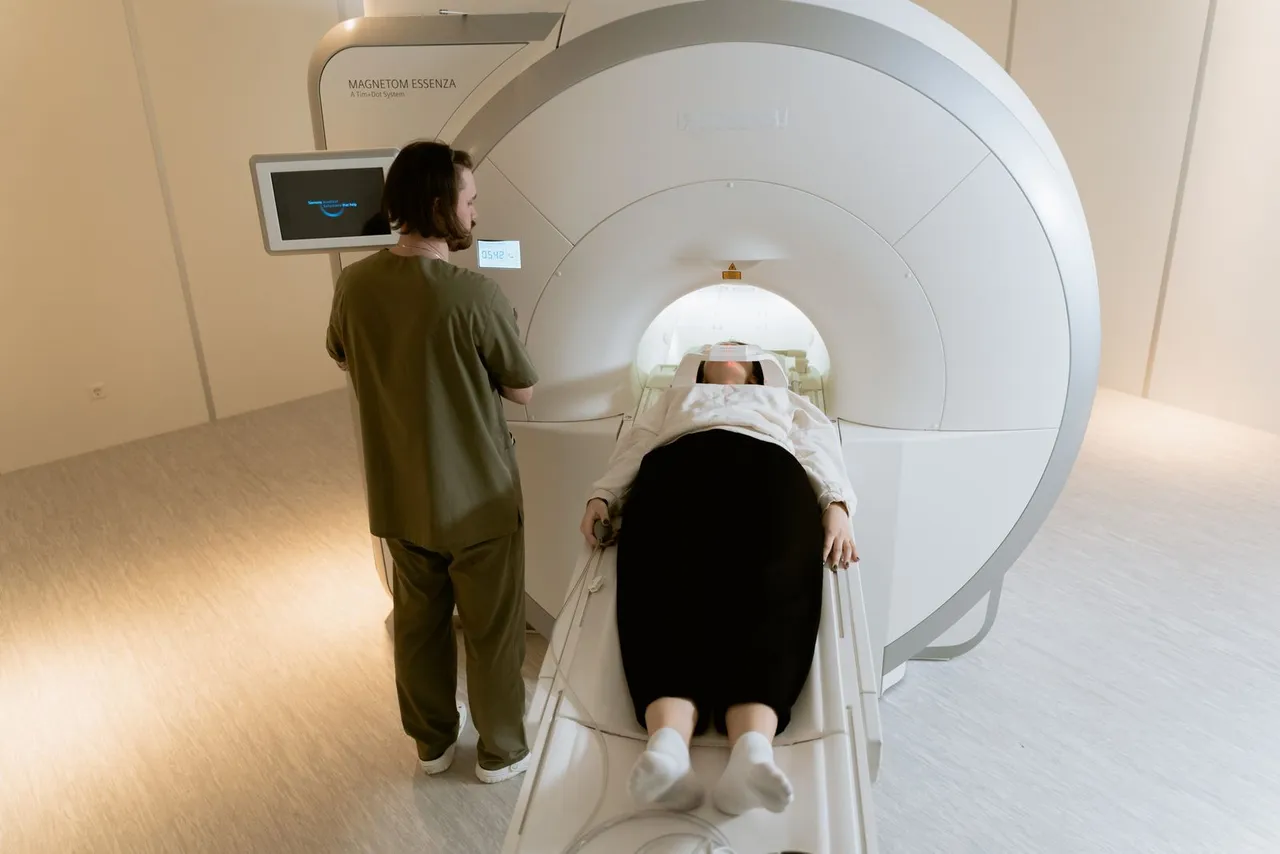
MRI diagnostic imaging
- Time
- About 15–90 minutes of scanning
- Appointments
- 1 scan appointment + report review
Biopsy histopathology
- Time
- Laboratory turnaround depends on specimen & tests
- Appointments
- Sampling + results discussion; lab attendance usually unnecessary
Computed tomography (CT)
- Time
- NHS example: 10–20 minutes for the scan.
- Appointments
- 1 test attendance + results review
Diagnostic ultrasonography
- Time
- NHS example: around 10–45 minutes; some examinations take longer.
- Appointments
- 1 test attendance + results review
Conventional radiography
- Time
- NHS example: the images themselves take a few minutes.
- Appointments
- 1 test attendance + results review
Dual-energy X-ray absorptiometry (DXA)
- Time
- NHS example: 10–20 minutes for the scan.
- Appointments
- 1 test attendance + results review
Full blood count (CBC)
- Time
- NHS example: a blood-sampling appointment takes about 10 minutes.
- Appointments
- 1 test attendance + results review
Clinical genetic counselling
- Time
- Consultation length and laboratory turnaround depend on the question and test.
- Appointments
- Initial review + tests or follow-up as needed
Spirometry
- Time
- NHS example: the appointment should take no more than an hour.
- Appointments
- 1 test attendance + results review
Can’t find your treatment?
Tell us the specialty or service you need. We can clarify the next coordination step.
Specialty guides
Medical specialties and focused care areas. Choose a guide for clinical terms, treatment options and preparation.
General & internal medicine
First assessment of symptoms, family health and chronic conditions, with targeted tests and referrals.
Read the guide: General & internal medicineImaging & diagnostics
Radiology and diagnostic services answer a specific clinical question. This guide brings imaging and diagnostic-centre services together, including MRI, CT, ultrasound and selected functional investigations.
Read the guide: Imaging & diagnosticsLaboratory & pathology
Blood and other laboratory investigations, tissue histology and selected molecular tests. Test type determines specimen and reporting time.
Read the guide: Laboratory & pathologyMedical genetics
Genetic counselling and indication-based testing for inherited disease, with consent and explanation of implications for relatives.
Read the guide: Medical geneticsInternal medicine assessment
An internist brings symptoms, examination findings and existing test results together. This guide covers common reasons for review and how to prepare a useful medical history.
Read the guide: Internal medicine assessmentCT & MRI diagnostics
CT and MRI answer different diagnostic questions. The radiology team selects the examination, checks implants and contrast suitability, and explains preparation and reporting.
Read the guide: CT & MRI diagnosticsUltrasound & vascular imaging
Ultrasound can assess organs, soft tissues and blood flow without ionising radiation. The body region and clinical question determine whether further imaging is needed.
Read the guide: Ultrasound & vascular imagingBlood tests & laboratory diagnostics
Laboratory tests help investigate a defined clinical problem and monitor treatment. Results need interpretation alongside symptoms, medicines and the laboratory’s reference ranges.
Read the guide: Blood tests & laboratory diagnosticsPathology & tissue diagnosis
Pathology examines cells and tissue to establish or refine a diagnosis. A second review may require original slides or tissue blocks, not only the written report.
Read the guide: Pathology & tissue diagnosisHereditary cancer counselling
Genetic counselling assesses inherited cancer risk using personal and family history. Testing, possible uncertain results and implications for relatives are discussed before consent.
Read the guide: Hereditary cancer counsellingCan’t find your treatment?
Tell us the specialty or service you need. We can clarify the next coordination step.
Understanding the options
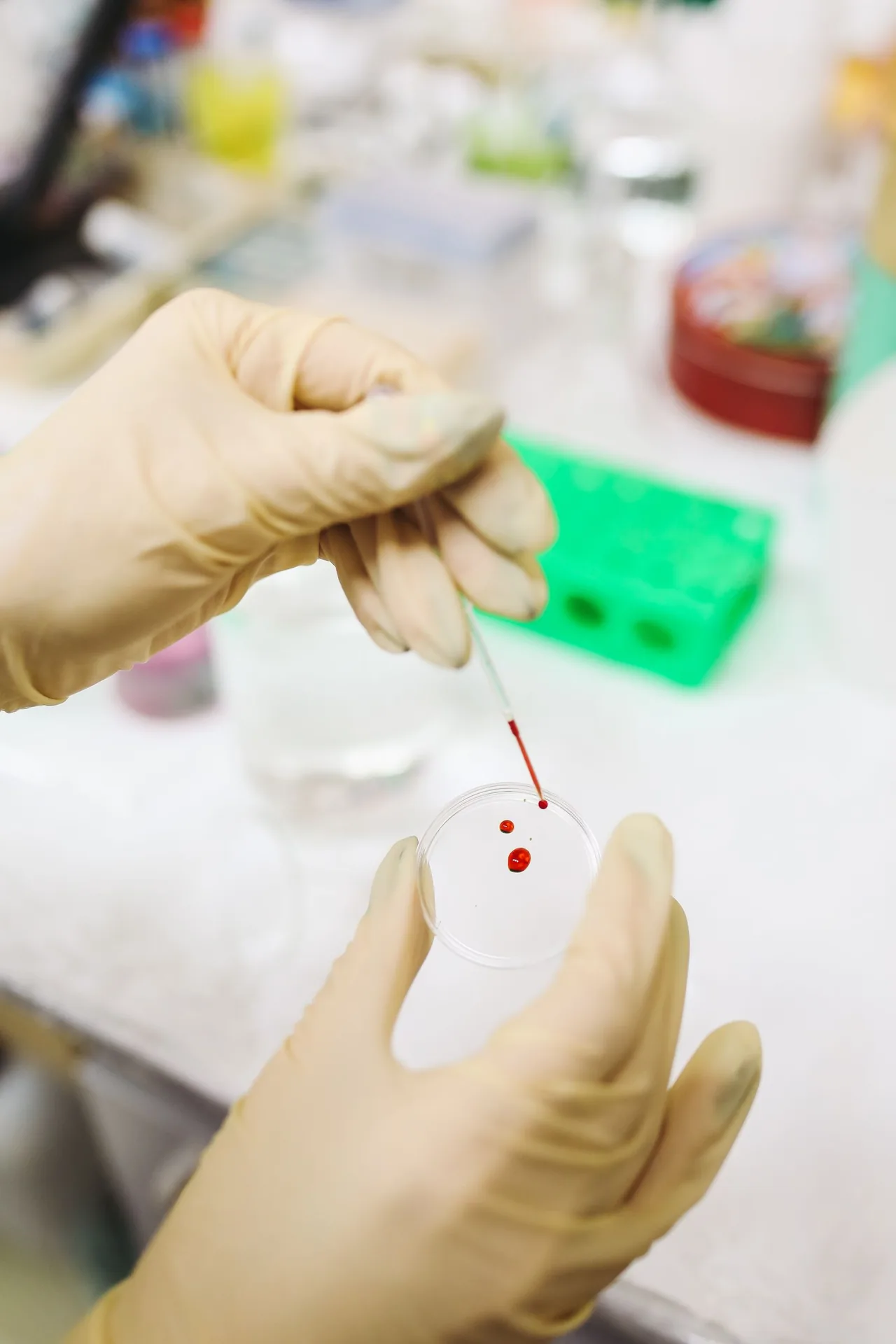
Sometimes the first requirement is to understand an existing finding or obtain a specialist opinion. Tests answer particular clinical questions. A scanner image alone does not establish a diagnosis, a treatment recommendation or a need for further imaging.
- A specialist consultation and review of existing reports.
- Clinician-requested laboratory tests or imaging, such as MRI or CT, when appropriate.
- Review of pathology or tissue samples if the relevant specialist requests it.
- A follow-up explanation of findings and the proposed next steps by the clinical team.
A qualified clinician decides whether a test is needed and safe, and interprets its results. MRI and CT support assessment; they are not treatments themselves. Examination scope, availability and charges must be confirmed with the provider.