Stereotactic body radiotherapy
Oncology & cancer treatment · Planning care in Germany and Czechia
- Clinical name
- Stereotactic body radiotherapy (SBRT) / stereotactic ablative radiotherapy (SABR)
- German
- Stereotaktische Körperbestrahlung / extrakranielle Stereotaxie
- Czech
- Extrakraniální stereotaktická radioterapie (SBRT)
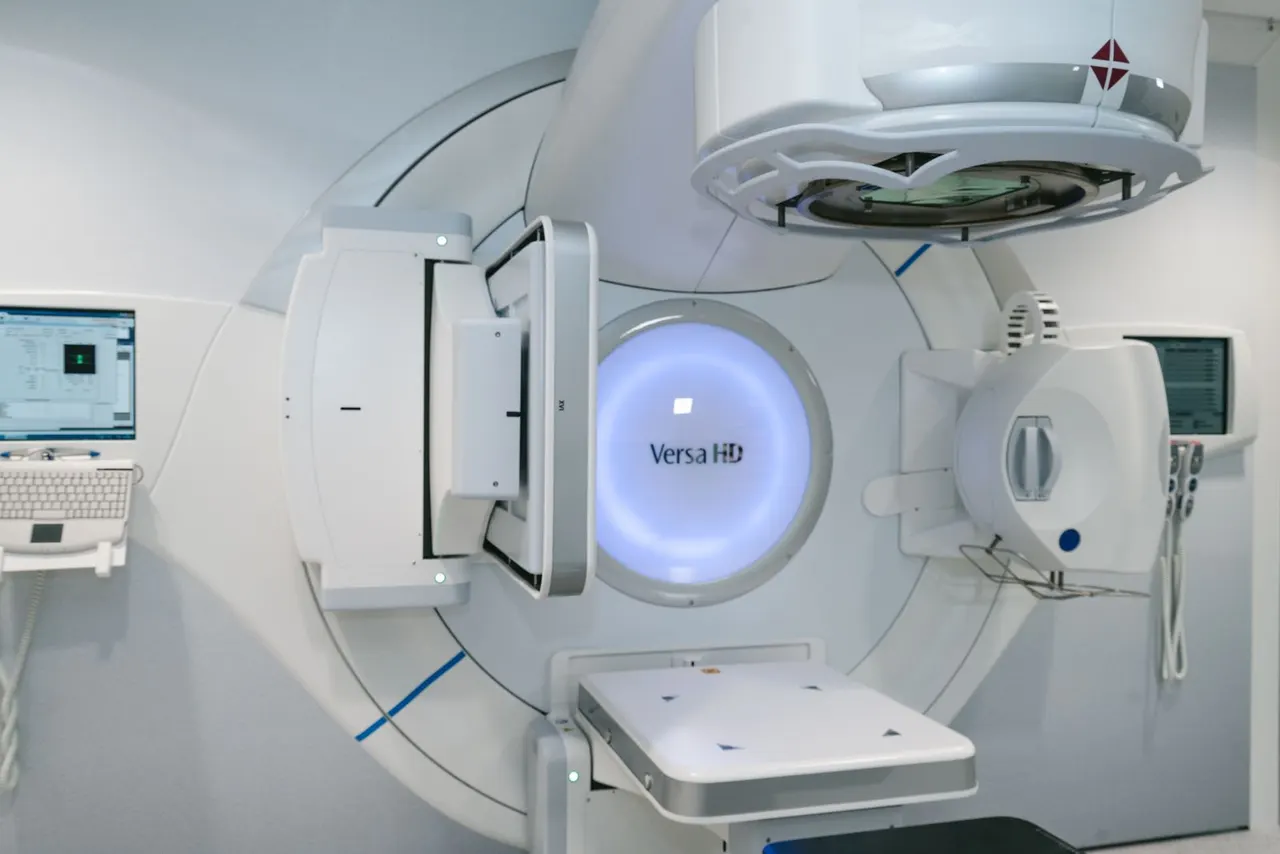
Delivers precisely targeted, high-dose radiation in a small number of fractions to selected tumours outside the brain. Examples include certain early lung cancers and limited metastases. Suitability depends on target size, location and nearby organs.
Time, hospital stay & appointments
Times are planning guides, not national averages or guaranteed schedules. They reflect published provider examples and patient guidance. The treating team confirms the individual plan, time needed near the clinic and fitness to travel. Waiting lists are not included.
- Procedure or course duration
- The Christie’s lung-SABR information describes 1, 3, 5 or 8 treatments, usually completed within 2 weeks and sometimes up to 3. This is a lung-treatment example; schedules for other organs differ.
- Hospital stay
- Usually arranged as outpatient radiotherapy when the patient’s condition allows. Complex planning and precise positioning are required even when the course is short.
- Visits and repeat attendance
- Consultation and planning imaging, then one attendance for each prescribed fraction, followed by imaging and clinical follow-up. Some plans require additional preparation or marker placement; confirm this before counting travel days.
- Recovery and travel planning
- A short radiation course is not evidence that follow-up is unnecessary. Confirm scan timing and which team will assess response and delayed side effects.
Sources & finding a provider
Editorial source check: 29 October 2026. This is educational information, not an individual clinical assessment.
These country-specific sources document the service or its clinical use; their inclusion does not indicate a RAUQ partnership. Case acceptance, appointment availability and payment arrangements require separate provider confirmation.