Oncology & cancer treatment
Cancer diagnosis, surgery, chemotherapy, immunotherapy and radiotherapy, selected through a tumour-specific multidisciplinary plan.
Treatments in this specialty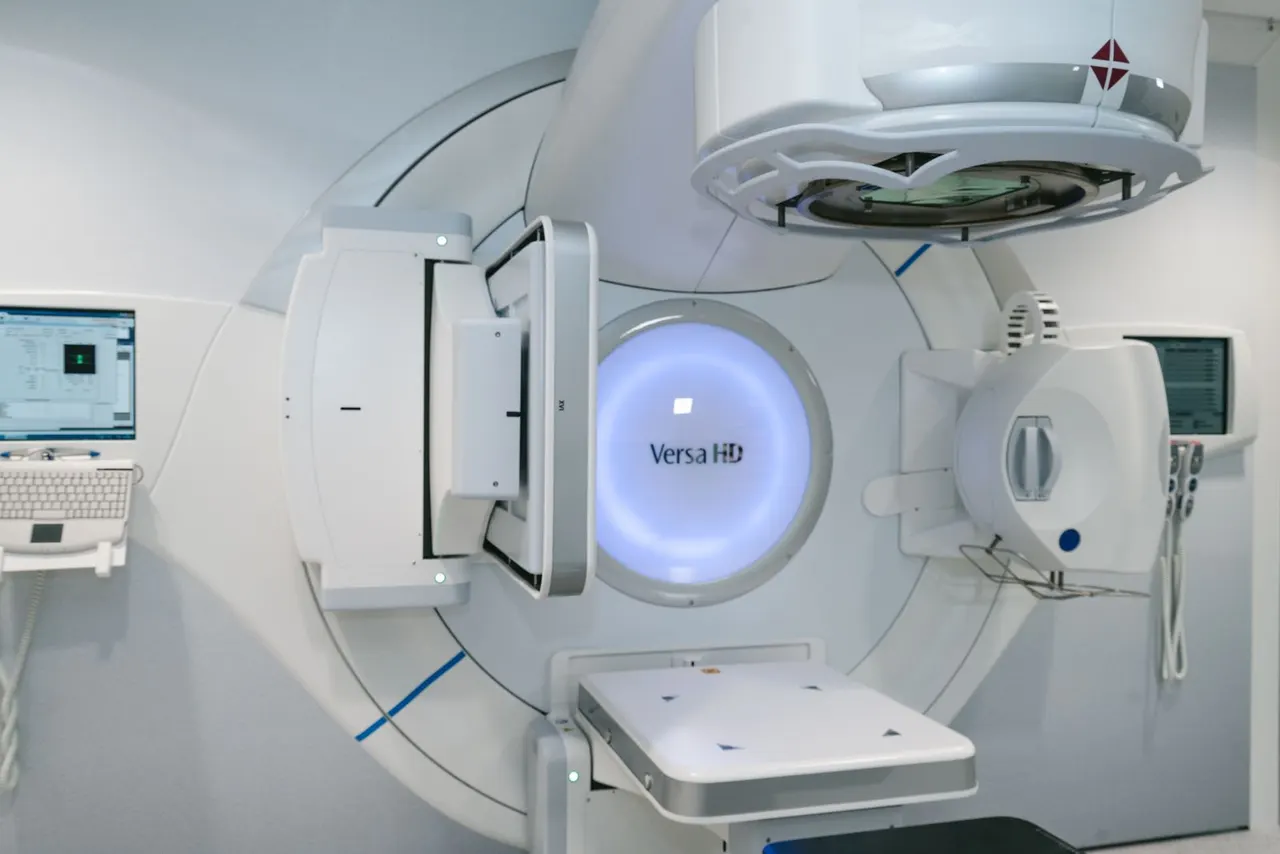
Procedure guides
Times are planning guides, not national averages or guaranteed schedules. They reflect published provider examples and patient guidance. The treating team confirms the individual plan, time needed near the clinic and fitness to travel. Waiting lists are not included.
Breast-conserving cancer surgery
Removes the breast tumour with a margin of surrounding tissue while preserving the breast. Lymph-node assessment may be performed during the same operation. Suitability depends on tumour extent and the multidisciplinary treatment plan.
- Time
- About 1 hour; complex surgery longer
- Appointments
- Surgery + pathology review + further therapy
Radical prostatectomy
Removes the prostate for selected prostate cancers, with lymph-node surgery when indicated. Open and minimally invasive approaches are available. A cancer operation differs from surgery for benign prostate enlargement.
- Time
- Provider example: about 3 hours of surgery
- Appointments
- Admission + catheter care + PSA follow-up
External-beam radiotherapy: IMRT
Shapes the intensity of radiation beams around a treatment target to limit exposure of nearby tissues. Used for selected cancers as definitive, postoperative or symptom-relieving treatment. A planning CT is preparation for radiotherapy, not the treatment itself.
- Time
- Course length depends on the prescribed fractions
- Appointments
- Often 5 treatment visits per week
Stereotactic body radiotherapy
Delivers precisely targeted, high-dose radiation in a small number of fractions to selected tumours outside the brain. Examples include certain early lung cancers and limited metastases. Suitability depends on target size, location and nearby organs.
- Time
- Lung example: usually within 2–3 weeks
- Appointments
- Lung example: 1, 3, 5 or 8 fractions
Cytotoxic chemotherapy
Uses medicines that damage or inhibit dividing cells. The exact drug combination is chosen for the cancer type, stage and treatment goal. It may precede surgery, follow local treatment or control advanced disease. It differs from immunotherapy and targeted therapy.
- Time
- Repeated cycles; total duration is regimen-specific
- Appointments
- Blood tests & review before treatment
Immune checkpoint inhibitor therapy
Blocks signals that restrain immune responses, helping immune cells attack certain cancers. It is used only for eligible tumour types and stages; biomarker testing may be required. It is not a general immune booster or a treatment for every cancer.
- Time
- Repeated administrations; duration varies
- Appointments
- Drug example: every 3 or 6 weeks
Brachytherapy
Radiation delivered close to or inside the tumour.
- Time
- The schedule depends on temporary or permanent implants and dose-rate technique.
- Appointments
- Assessment + protocol-specific sessions
Implanted venous access port
Durable access for systemic treatment.
- Time
- A planned insertion appointment includes preparation, placement and observation.
- Appointments
- Assessment + operation + follow-up
Can’t find your treatment?
Tell us the specialty or service you need. We can clarify the next coordination step.
Clinical terms
Use these clinical terms when discussing a referral or looking for a provider. Focused care areas may sit within a broader medical specialty.
- Oncology & cancer treatment
- Onkologie / StrahlentherapieGermanOnkologie / radioterapieCzech
Treatments & services
Explore specific procedures, investigations and care services. The clinical team confirms which options fit the individual case.
Multidisciplinary oncology review
Pathology, stage and treatment planning.
Molecular tumour profiling
Selected biomarkers for treatment decisions.
Cytotoxic chemotherapy
Drug treatment of selected cancers.
Immune checkpoint inhibitor therapy
Immunotherapy for eligible tumours.
Molecularly targeted therapy
Treatment matched to tumour characteristics.
Endocrine therapy for cancer
Treatment of hormone-sensitive tumours.
Intensity-modulated radiotherapy (IMRT)
Shaped external-beam radiation.
Stereotactic body radiotherapy (SBRT)
Focused radiation for selected targets.
Brachytherapy
Radiation delivered close to or inside the tumour.
Concurrent chemoradiotherapy
Combined drug and radiation treatment.
Breast-conserving surgery
Excision of a breast tumour with a margin.
Mastectomy
Removal of breast tissue for an oncological indication.
Sentinel lymph-node biopsy
Sampling first-draining lymph nodes.
Radical prostatectomy
Prostate removal for selected cancers.
Colectomy
Removal of a diseased part of the colon.
Pulmonary lobectomy
Removal of a lung lobe for selected disease.
Image-guided thermal ablation
Local destruction of selected tumours.
Implanted venous access port
Durable access for systemic treatment.
Oncology nutrition support
Maintaining intake during cancer treatment.
Oncology follow-up
Surveillance and treatment-effect assessment.
Can’t find your treatment?
Tell us the specialty or service you need. We can clarify the next coordination step.
Planning your care

Ask the treating service for a written plan. Appointment numbers and time away depend on the procedure, results and individual needs.
- Does the team need pathology, staging or biomarker review before recommending treatment?
- Ask for a written calendar distinguishing treatment sessions or cycles, blood tests, review visits and possible inpatient care.
- Which symptoms need urgent attention, and who will provide support between treatments and after returning home?
Sources & availability
These references provide clinical background. The guide is not a confirmed service menu for every centre or both countries, and cited organisations are not necessarily RAUQ partners. Confirm eligibility, availability and international patient access with the centre.
Guide content and sources checked 29 October 2026.