Cancer & blood disorders
Cancer assessment and treatment, blood disorders and nuclear medicine.
10 specialty guides · 10 procedure guides
Procedure planning guides
Breast-conserving cancer surgery
- Time
- About 1 hour; complex surgery longer
- Appointments
- Surgery + pathology review + further therapy
Radical prostatectomy
- Time
- Provider example: about 3 hours of surgery
- Appointments
- Admission + catheter care + PSA follow-up
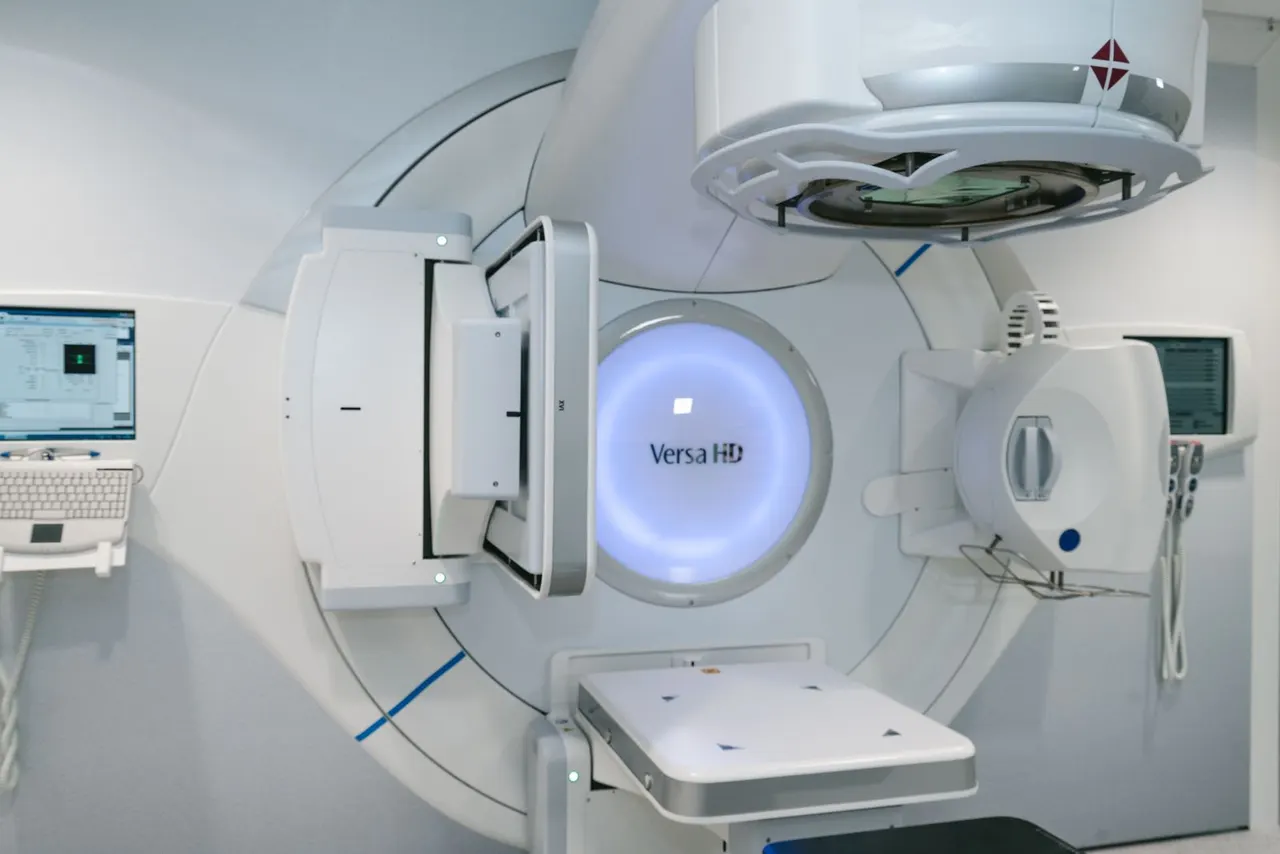
External-beam radiotherapy: IMRT
- Time
- Course length depends on the prescribed fractions
- Appointments
- Often 5 treatment visits per week
Stereotactic body radiotherapy
- Time
- Lung example: usually within 2–3 weeks
- Appointments
- Lung example: 1, 3, 5 or 8 fractions
Cytotoxic chemotherapy
- Time
- Repeated cycles; total duration is regimen-specific
- Appointments
- Blood tests & review before treatment
Immune checkpoint inhibitor therapy
- Time
- Repeated administrations; duration varies
- Appointments
- Drug example: every 3 or 6 weeks
FDG PET/CT
- Time
- NHS PET example: 30–60 minutes of scanning, with tracer preparation beforehand.
- Appointments
- 1 test attendance + results review
Brachytherapy
- Time
- The schedule depends on temporary or permanent implants and dose-rate technique.
- Appointments
- Assessment + protocol-specific sessions
Implanted venous access port
- Time
- A planned insertion appointment includes preparation, placement and observation.
- Appointments
- Assessment + operation + follow-up
Bone marrow aspiration and biopsy
- Time
- Allow time for local anaesthesia, sampling and observation; the service confirms the slot.
- Appointments
- 1 test attendance + results review
Can’t find your treatment?
Tell us the specialty or service you need. We can clarify the next coordination step.
Specialty guides
Medical specialties and focused care areas. Choose a guide for clinical terms, treatment options and preparation.
Oncology & cancer treatment
Cancer diagnosis, surgery, chemotherapy, immunotherapy and radiotherapy, selected through a tumour-specific multidisciplinary plan.
Read the guide: Oncology & cancer treatmentHematology
Anaemia, clotting disorders, leukaemia and other blood diseases; blood counts, marrow examination and specialist treatment vary by diagnosis.
Read the guide: HematologyNuclear medicine
PET/CT, scintigraphy and selected radionuclide treatments. Diagnostic tracers and therapeutic radiopharmaceuticals have different purposes.
Read the guide: Nuclear medicineBreast oncology
Breast cancer care combines pathology, staging and receptor testing to plan treatment. Surgery, radiotherapy and medicines are selected by the multidisciplinary team for the individual tumour.
Read the guide: Breast oncologyUrological oncology
Urological oncology addresses cancers of the urinary tract and male reproductive organs. Stage, pathology and functional goals guide the choice between monitoring, surgery and other therapies.
Read the guide: Urological oncologyThoracic oncology
Thoracic cancer planning considers tumour type, stage, biomarkers and lung function. The team assesses whether local treatment, medicines or a combined approach is appropriate.
Read the guide: Thoracic oncologyGastrointestinal oncology
Digestive-system cancers require organ-specific staging and nutritional assessment. Treatment sequencing can include surgery, systemic therapy and selected radiation or ablation procedures.
Read the guide: Gastrointestinal oncologyRadiation oncology
Radiotherapy uses a planned dose and treatment volume. Planning scans, treatment fractions and review visits are separate appointments; the schedule depends on the tumour and treatment aim.
Read the guide: Radiation oncologySystemic cancer therapies
Chemotherapy, immunotherapy, targeted drugs and hormonal treatment act differently. Eligibility, blood monitoring, cycle intervals and support between visits depend on the prescribed regimen.
Read the guide: Systemic cancer therapiesBlood & lymphatic cancers
Leukaemia, lymphoma and myeloma have distinct diagnostic and treatment pathways. Some therapies require specialist-centre eligibility checks, prolonged monitoring and local support arrangements.
Read the guide: Blood & lymphatic cancersCan’t find your treatment?
Tell us the specialty or service you need. We can clarify the next coordination step.
Understanding the options

Cancer care follows the diagnosis, cancer type and stage. A specialist may discuss one treatment or a combination. The examples below explain broad approaches; they do not identify a suitable treatment for an individual.
- Surgery and radiotherapy, where clinically indicated.
- Drug treatments such as chemotherapy, hormone therapy, targeted therapy or immunotherapy, depending on the cancer.
- Additional pathology or biomarker review when requested by the oncology team.
- A specialist discussion of the proposed plan and its sequence.
The oncology team determines the necessary investigations, treatment and clinical suitability. Acceptance, availability and a quotation require provider review. MRI and CT are diagnostic imaging methods, not cancer treatments themselves.