Fertility, women & children
Reproductive medicine, obstetrics, gynecology and general or specialist children’s care.
10 specialty guides · 10 procedure guides
Procedure planning guides
Diagnostic hysteroscopy
- Time
- Usually 10–15 minutes; appointment longer
- Appointments
- Assessment + procedure + results discussion
Paediatric medical assessment
- Time
- Appointment length depends on the assessment
- Appointments
- 1 initial consultation; follow-up as indicated
In vitro fertilisation (IVF)
- Time
- NHS example: a full IVF cycle takes around 3–6 weeks, depending on protocol.
- Appointments
- Cycle-timed monitoring + procedure visits
Intrauterine insemination (IUI)
- Time
- NHS example: insemination itself usually takes no more than 10 minutes.
- Appointments
- Cycle-timed monitoring + procedure visits
Semen analysis
- Time
- Collection and laboratory reporting are separate; repeat testing may be needed.
- Appointments
- 1 test attendance + results review
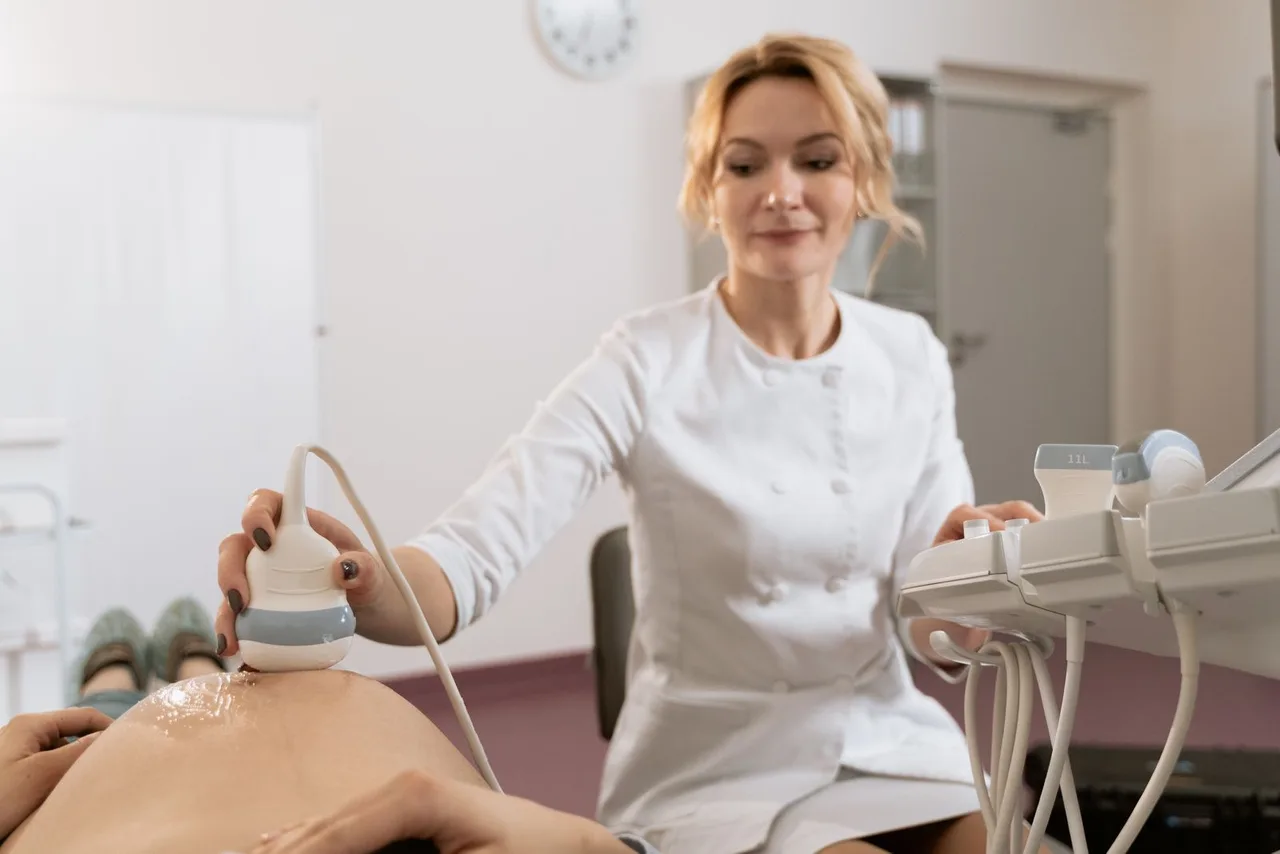
Follicular ultrasound monitoring
- Time
- Repeated scans are timed to the stimulation or ovulation cycle.
- Appointments
- Cycle-timed monitoring + procedure visits
Colposcopy
- Time
- NHS example: 15–20 minutes for the examination.
- Appointments
- 1 test attendance + results review
Hysterectomy
- Time
- NHS example: admission can be up to 5 days; full recovery may take 6–8 weeks.
- Appointments
- Assessment + operation + follow-up
Paediatric echocardiography
- Time
- The child’s age, cooperation and the question being assessed determine appointment length.
- Appointments
- 1 test attendance + results review
Paediatric electroencephalogram (EEG)
- Time
- The service confirms the recording and preparation time for the child’s protocol.
- Appointments
- 1 test attendance + results review
Can’t find your treatment?
Tell us the specialty or service you need. We can clarify the next coordination step.
Specialty guides
Medical specialties and focused care areas. Choose a guide for clinical terms, treatment options and preparation.
Obstetrics & gynecology
Women's health, pregnancy care and uterine or pelvic disorders. Elective aesthetic procedures require separate assessment of benefits and risks.
Read the guide: Obstetrics & gynecologyPaediatrics
General paediatrics and paediatric subspecialties address children’s health from routine assessment to complex conditions. The child’s age, development and diagnosis determine which specialist team is appropriate.
Read the guide: PaediatricsReproductive medicine
Fertility investigation, reproductive endocrinology and assisted reproduction such as IVF or ICSI. Eligibility and available methods require centre review.
Read the guide: Reproductive medicineIVF & assisted conception
Assisted conception involves investigation, counselling and a protocol-specific treatment cycle. Monitoring, egg collection and embryo transfer are distinct stages, and eligibility differs between countries.
Read the guide: IVF & assisted conceptionMale fertility care
Male fertility assessment reviews reproductive history, examination and semen testing. Further tests and sperm retrieval are considered only when indicated by the findings.
Read the guide: Male fertility careBenign gynaecological conditions
Benign gynaecology addresses symptoms such as abnormal bleeding, fibroids and prolapse. Assessment distinguishes conditions suitable for observation, medicines or surgery.
Read the guide: Benign gynaecological conditionsEndometriosis care
Endometriosis care considers pain, fertility and the organs involved. Imaging, medical treatment and surgery have different roles; associated conditions may need separate assessment.
Read the guide: Endometriosis careMenopause & midlife care
Menopause consultation reviews symptoms, medical history and personal preferences. Hormonal and non-hormonal options, contraception and ongoing preventive care are discussed individually.
Read the guide: Menopause & midlife carePaediatric cardiology
Paediatric cardiology evaluates heart structure, rhythm and circulation in children. Age-appropriate tests and the child’s developmental needs shape the appointment plan.
Read the guide: Paediatric cardiologyPaediatric neurology
Paediatric neurology assesses seizures, development and other nervous-system concerns. Parents’ observations, school information and previous investigations can help guide testing and support.
Read the guide: Paediatric neurologyCan’t find your treatment?
Tell us the specialty or service you need. We can clarify the next coordination step.
Before you choose
- Which specialist is appropriate, and what age, consent or eligibility requirements apply?
- Are appointments linked to a treatment cycle or a child’s assessment schedule, and can any visits be coordinated locally?
- How are monitoring, a parent or companion’s presence, follow-up and unexpected changes handled?